

Two Island Project
In the fall of 1953, the peaceful quiet of the north shore just south of Schroeder at Two Island was broken by the sound of jackhammers and power shovels as work began on a new breakwater and additional railroad grade to help trains coming from the iron range navigate the descent to Lake Superior.
Just over 80 men worked on the project, and housing around the site was scarce. Many of the men who weren’t local were forced to spend cold winter nights sleeping in vehicles or at nearby resorts that were typically closed during the winter months. The need for shelter, especially for men with families, was a priority for the construction firm overseeing the project.
By mid-1954, a new “trailer village” had been created to house the influx of workers needed to complete the Two Island Project would include construction of a taconite loading facility, a dock, and a power plant.
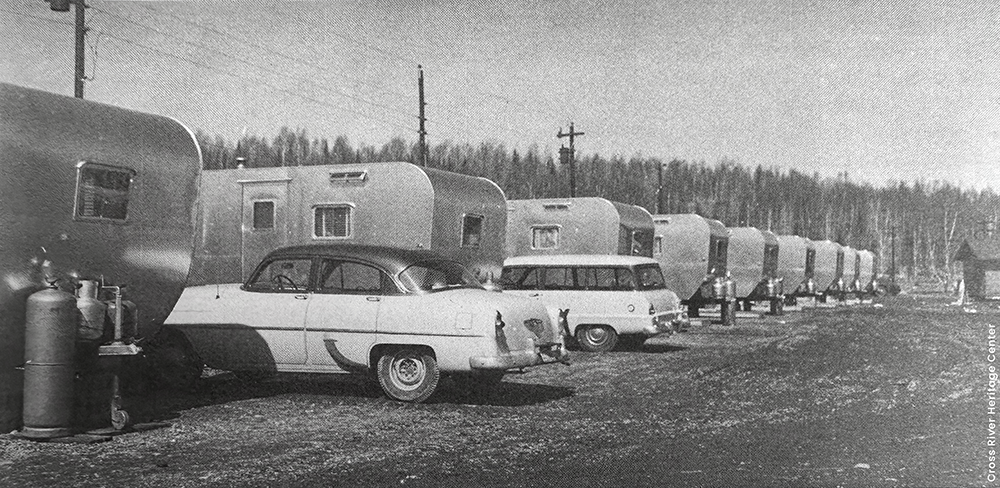
The village contained around 250 eight-foot-by-20-foot mobile homes. A steel-and-concrete building was also built to house a 30-bed dormitory for single men, a recreation center, barbershop, restaurant, grocery and clothing stores, a pharmacy, and laundry facilities. A bank and doctor’s office also sprang up in the growing townsite for workers and their families.
Taconite Harbor
Fewer workers were needed to operate the facility than were needed to build it, so as construction workers moved out, the mobile homes were removed and transported to be used elsewhere. In 1957, trucks loaded with prefabricated homes rolled onto the site to replace the trailer village. The dormitory building with its shops was disassembled and reused in Grand Marais.
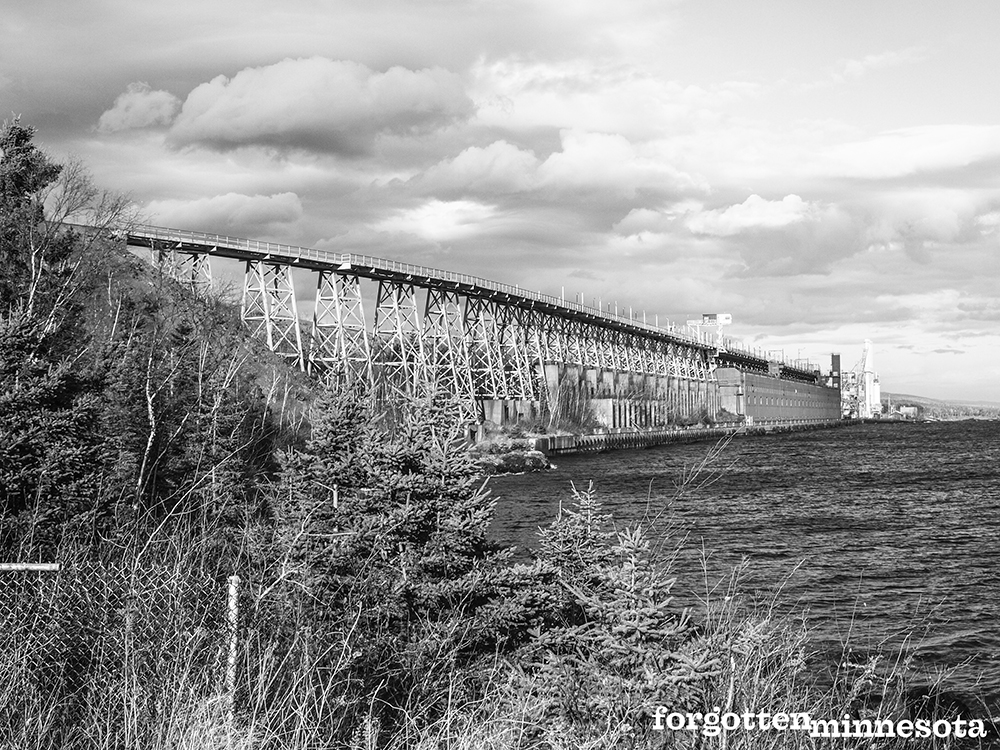
Business at the Erie Mining Company was booming. Taconite pellets harvested from mines in Hoyt Lakes were sent by train to the company’s loading docks–designed to be the fastest loading in the world–on the shore of Lake Superior. From there, the taconite was sent by ship to Detroit to make automobiles or to steel mills further east. Each year, an average of 10 to 11 million tons of taconite pellets were shipped from this facility.
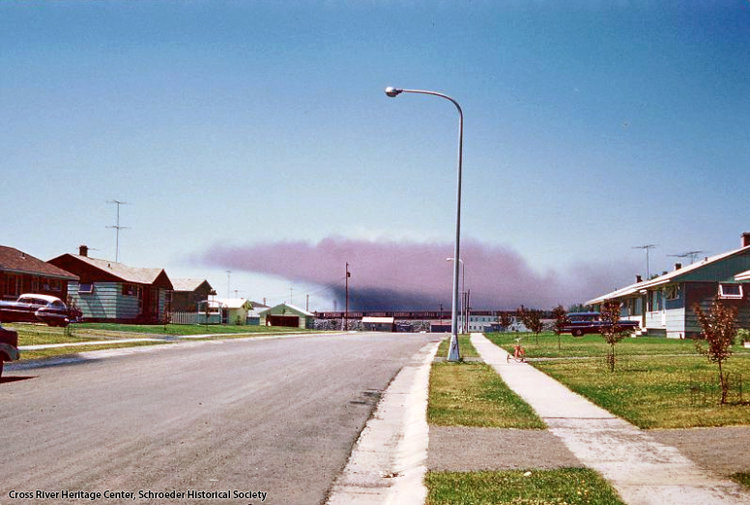
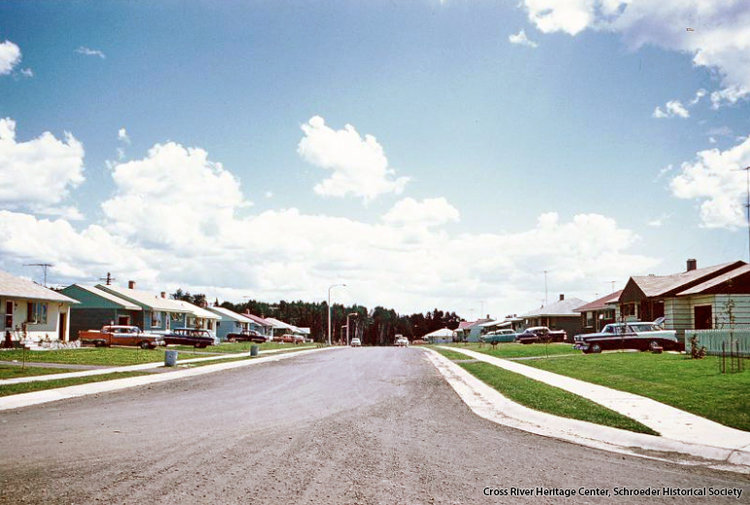
The 22 comfortable three- and four-bedroom pre-fab homes lined two streets nestled between Highway 61 and Lake Superior. Each home was built in about two hours. A fire hall and community center were also erected around this time. Although the area was technically part of Schroeder, the little neighborhood established itself as Taconite Harbor.
For $400 down and $100 per month, workers at the nearby loading dock and power plant could settle into the quaint, pastel-colored bungalows. Ornamental trees and shrubs were planted, and backyard gardens were tended with care. A playground, baseball field, and tennis and basketball courts were carved out of the ample open space behind the homes. There were block parties and volleyball games in the summer, ice skating and hockey games in the winter. There were as many as 74 kids in this small neighborhood in its heyday. Families flourished here.
By the early 1980s, many families started to move on. Some retired and moved away, others wanted a home away from the noisy railroad cars and taconite dust. By 1982, the mining industry fell on hard times, and the facility was forced to scale its workforce down to about 100 people. The only people left in the neighborhood were a handful of retirees and a few workers who had been spared a pink slip.
Ghosts of the past
In 1986, the 21 families remaining in Taconite Harbor were told they would have to move. Erie Mining Company (now LTV Steel Mining Co.) was no longer interested in being a landlord. The inexpensive homes with million-dollar views of Lake Superior were going to be moved or demolished. LTV offered the homes to residents for only $1, provided they moved them to another location.
The company announced in 1988 that it would tear down the remaining homes to make way for a limestone dump site. That plan fell through when an environmental study returned pages and pages of negative findings. The last family left Taconite Harbor in June 1988. LTV Steel filed for bankruptcy shortly thereafter.
A local developer sealed bids for the homes, the fire hall, and the community center. He planned to move the town off-site and sell it piecemeal to interested parties.
Today, you can follow a winding road down to the lake from Highway 61. A safe harbor and boat launch are open to the public. A small outdoor museum exhibits a sample of taconite and some of the equipment used to mine and ship it. Most people don’t give a second thought to the empty space they passed on their way in.
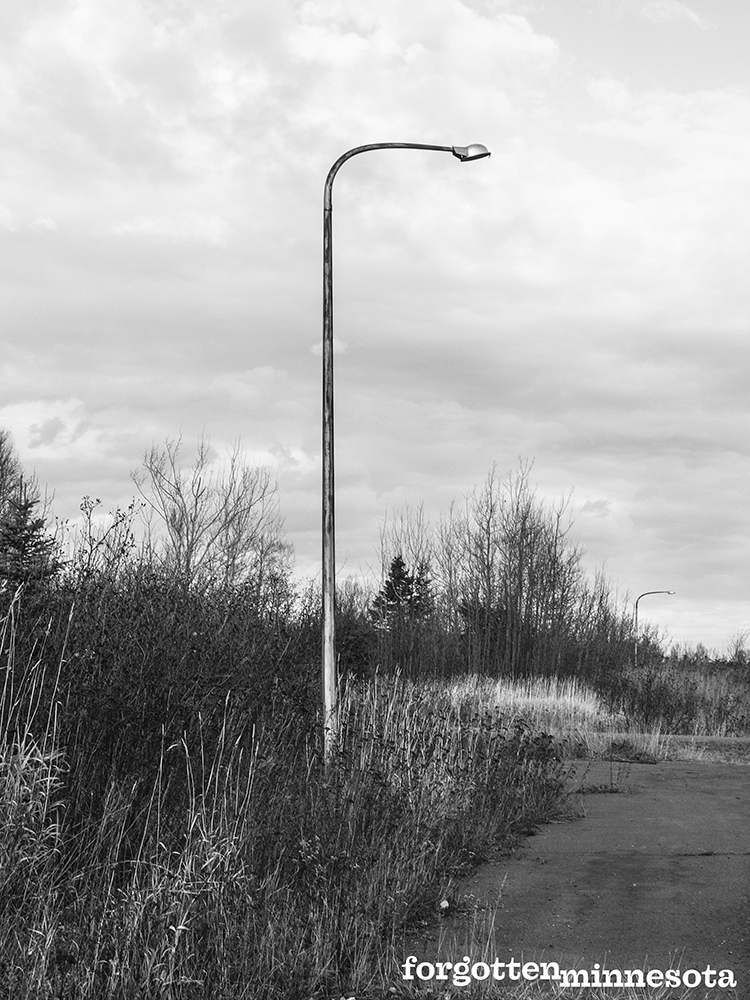


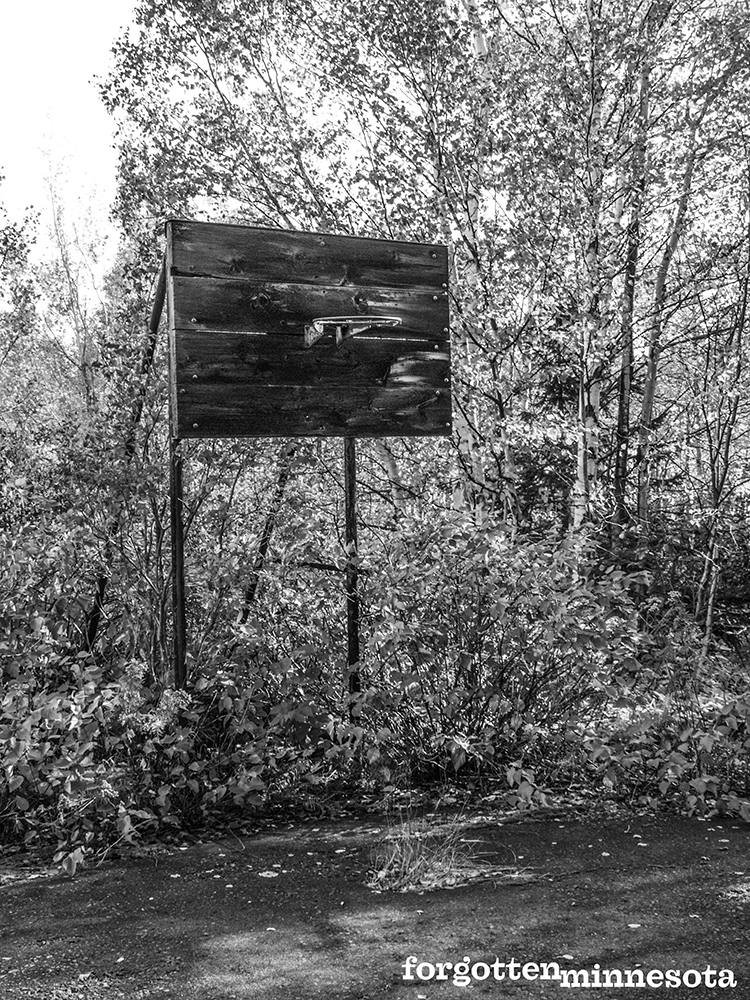
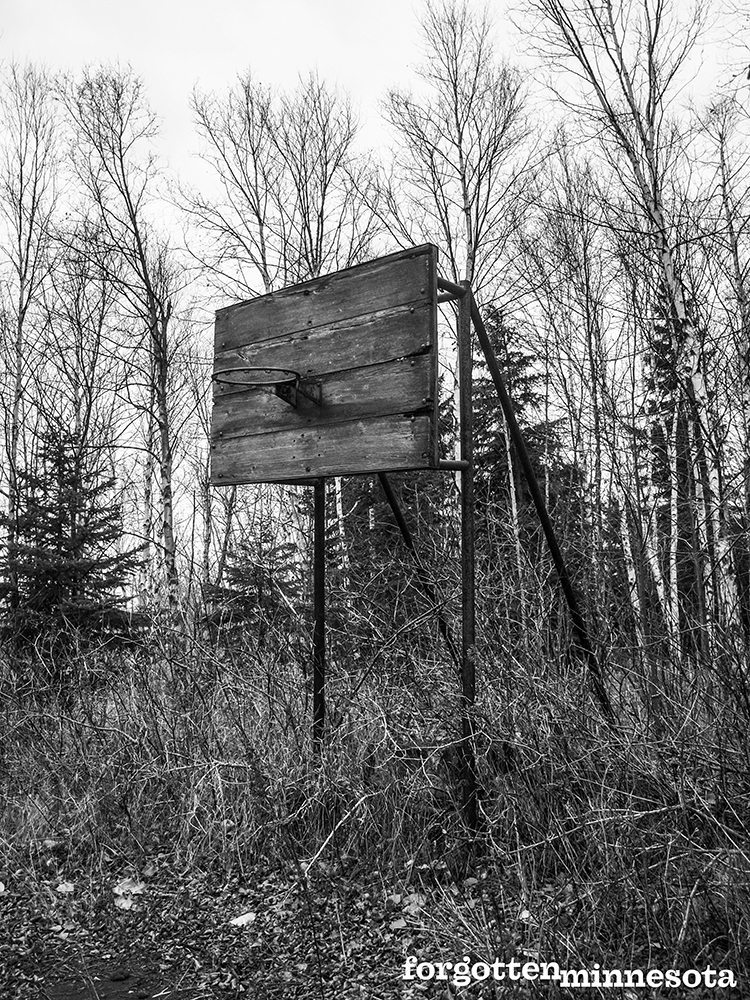
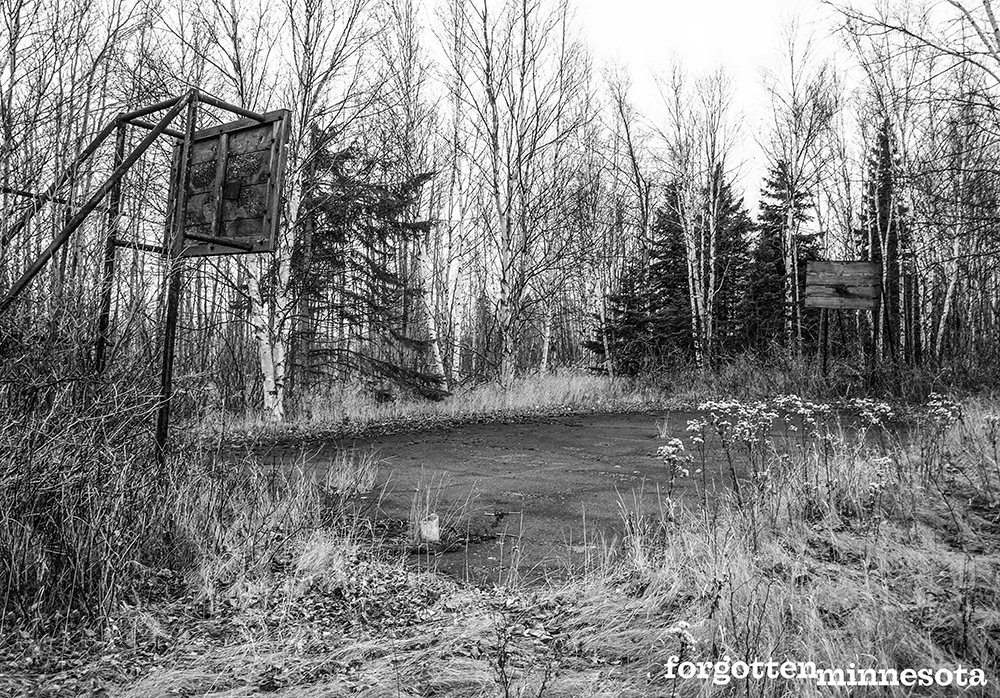
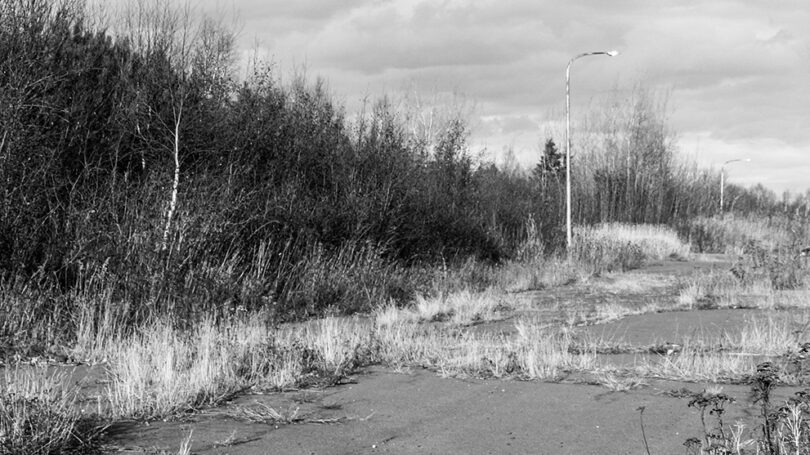
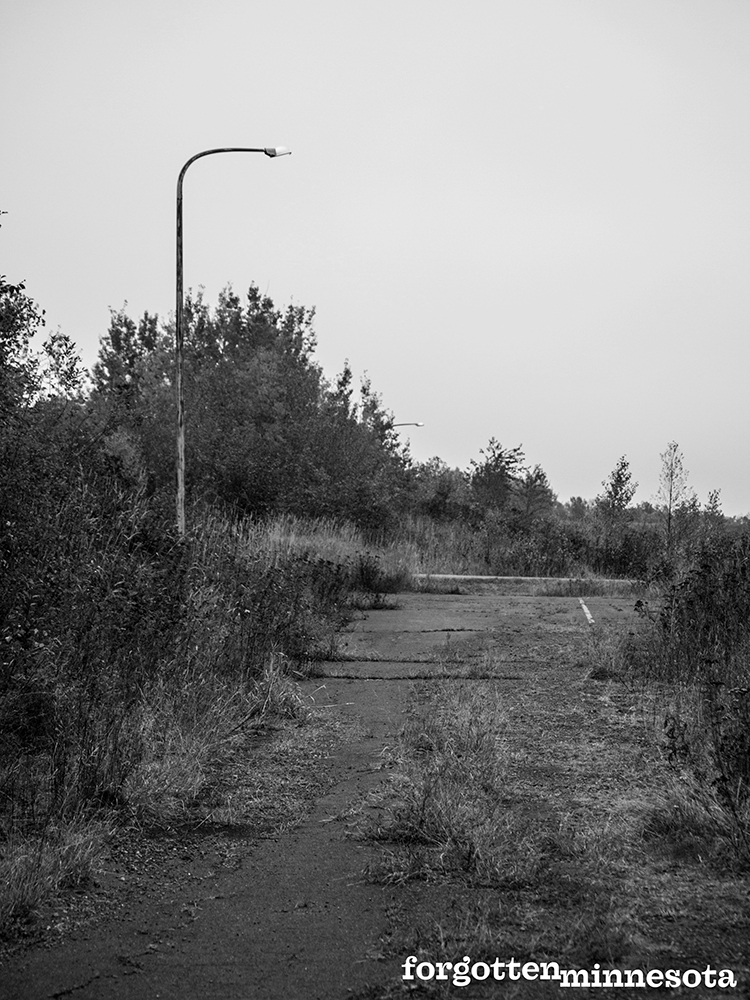
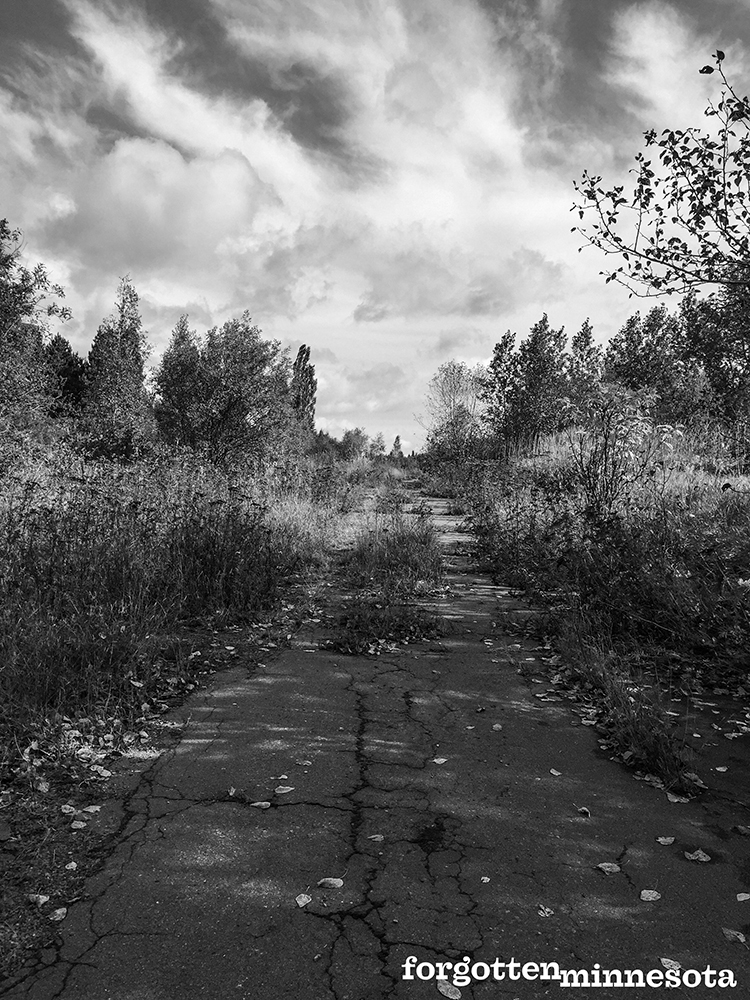
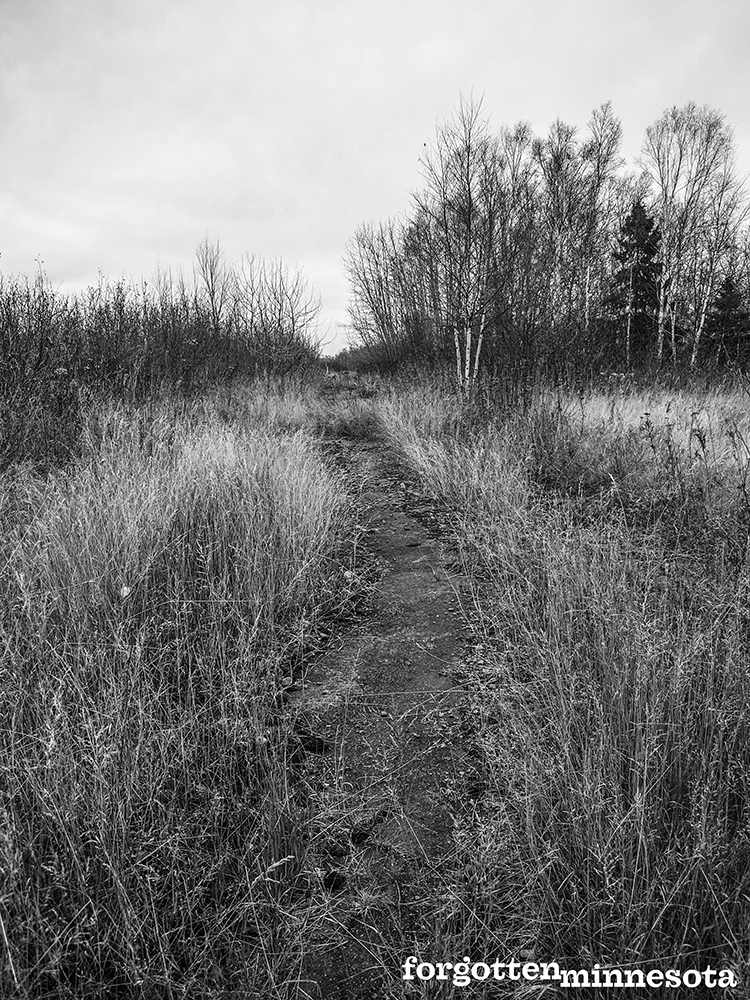
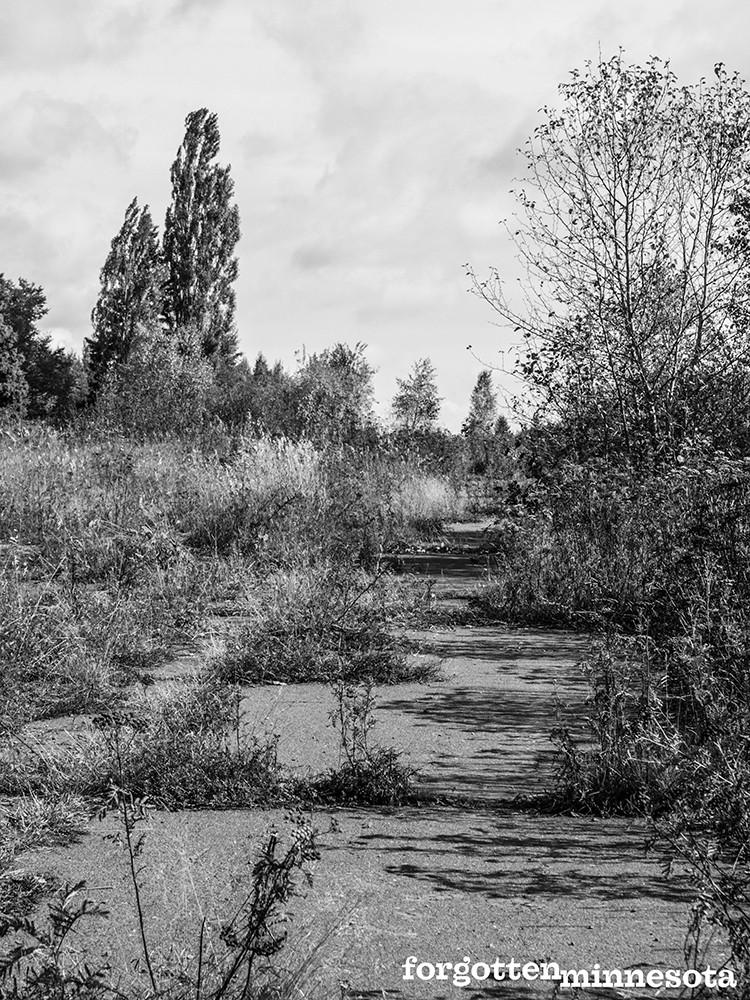
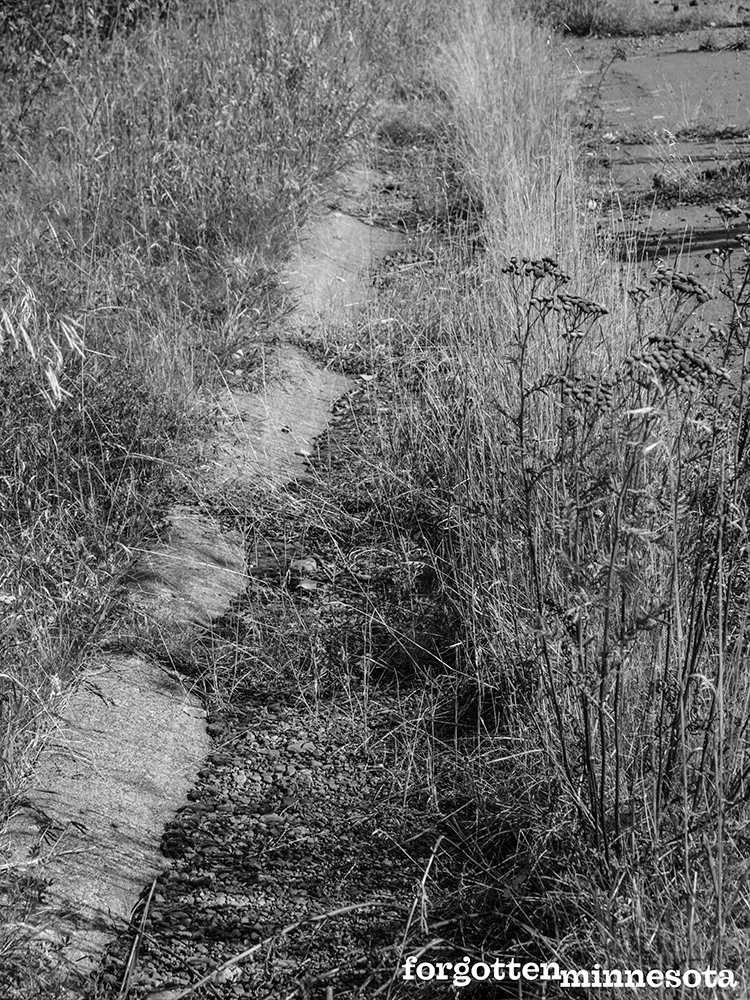
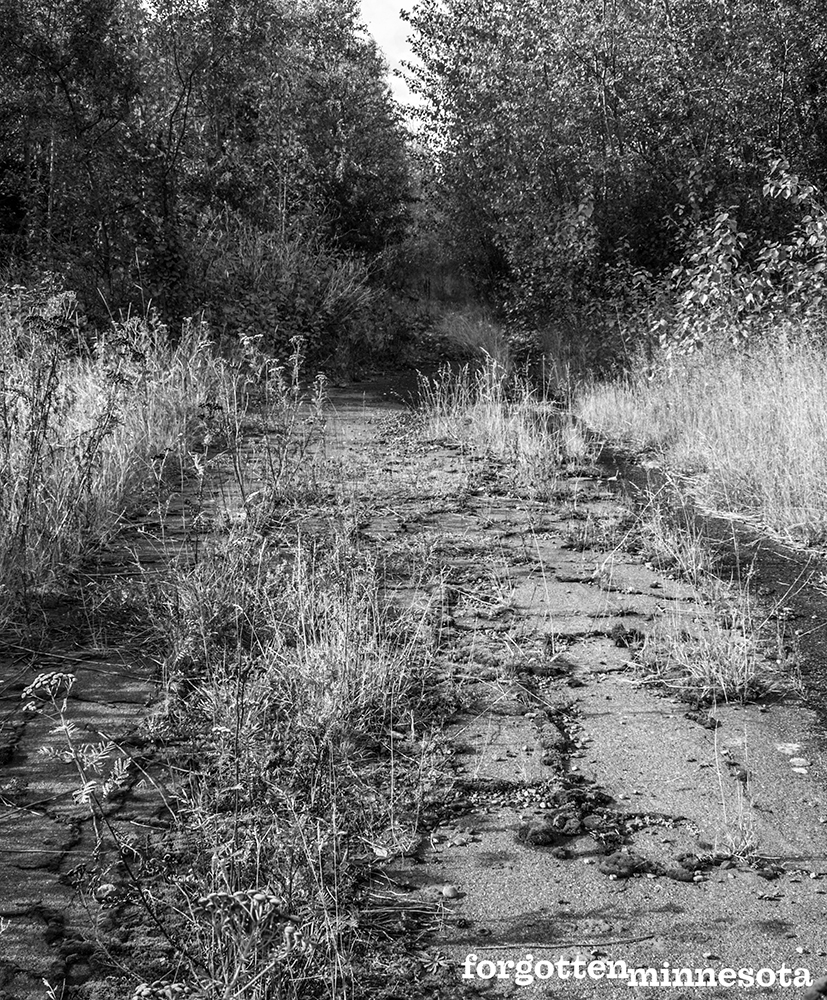
As you turn away from the lake and head back to Highway 61, you will pass where the playground and tennis court once were. The baseball field was on your right. If you look closely, you’ll notice a couple of rusty streetlights. Grass and weeds are slowly reclaiming the two rows of crumbling pavement and curbs that were once the streets of Taconite Harbor. Concrete holes that once led to the sewer/drainage system can still be found, nearly covered in weeds. The old basketball court is still waiting for the next game.
If you get out and walk along the crumbling streets, it’s possible to visualize where the houses once stood. Large trees make way for open grassy spaces where a foundation may be spotted. A rhubarb plant still thrives in a long-overgrown garden that was once someone’s backyard. This is a true Minnesota ghost town.
Additional historic photos of Taconite Harbor can be found at the Schroeder Historical Society website.
References:
Alanen, Arnold R. The Scenic Route: Building Minnesota’s North Shore.
Associated Press Digital Archive
Chicago Tribune Archives
Los Angeles Times Archives
Schroeder Historical Society
Star Tribune Archives
Wurzer, Cathy. Tales of the road: Highway 61.