

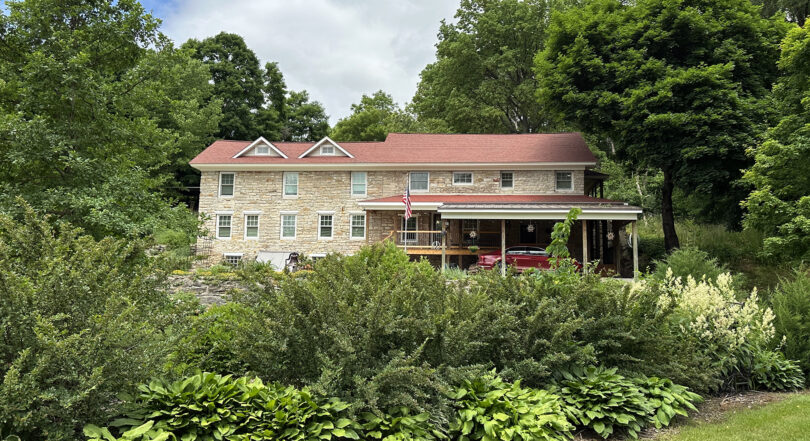
The Preston Brewery sits at the base of a bluff along the Root River, a site known for its scenic beauty and rich history. In the early days, locals would speak of the stunning view from the bluff, where one could see the rolling hills and hear the gentle rush of the river below.
Brewing began around 1859, soon after Preston became the Fillmore County seat. It was among the county’s first breweries.
Between 1859 and 1874, the brewery changed hands several times before closing in 1874 when the operator died. At that time, it was valued at $12,000, which was quite significant compared to the average monthly wage of $30. The brewery’s value was comparable to that of a modest farm in Minnesota during the 1870s, making it a valuable asset to the local economy.
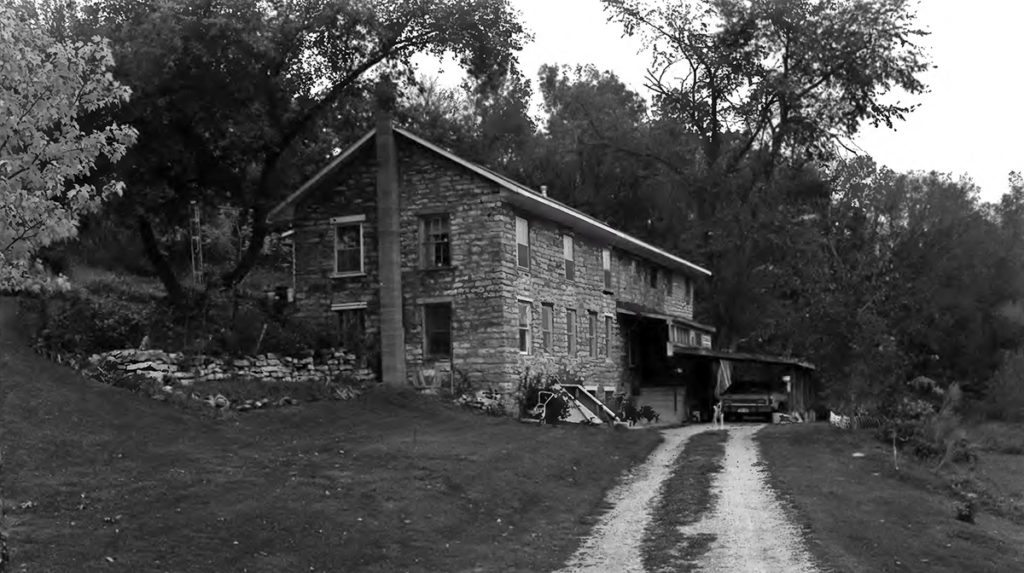
After more than a decade of closure, the brewery reopened in 1887 and introduced Preston Lager, described as “a healthful and invigorating beverage brewed from the choicest materials.” Advertisements from the era hailed its rich amber hue complemented by a frothy head, with the aroma of freshly baked bread and subtle notes of citrus. It was said to offer a smooth, crisp taste that left a refreshing finish, encouraging patrons to savor each sip.
At the time, the brewery included a brewing room, warehouse, boiler room, and aging cellars. A resin shed and icehouse stood nearby. Stables and a carriage house on-site supported local deliveries.


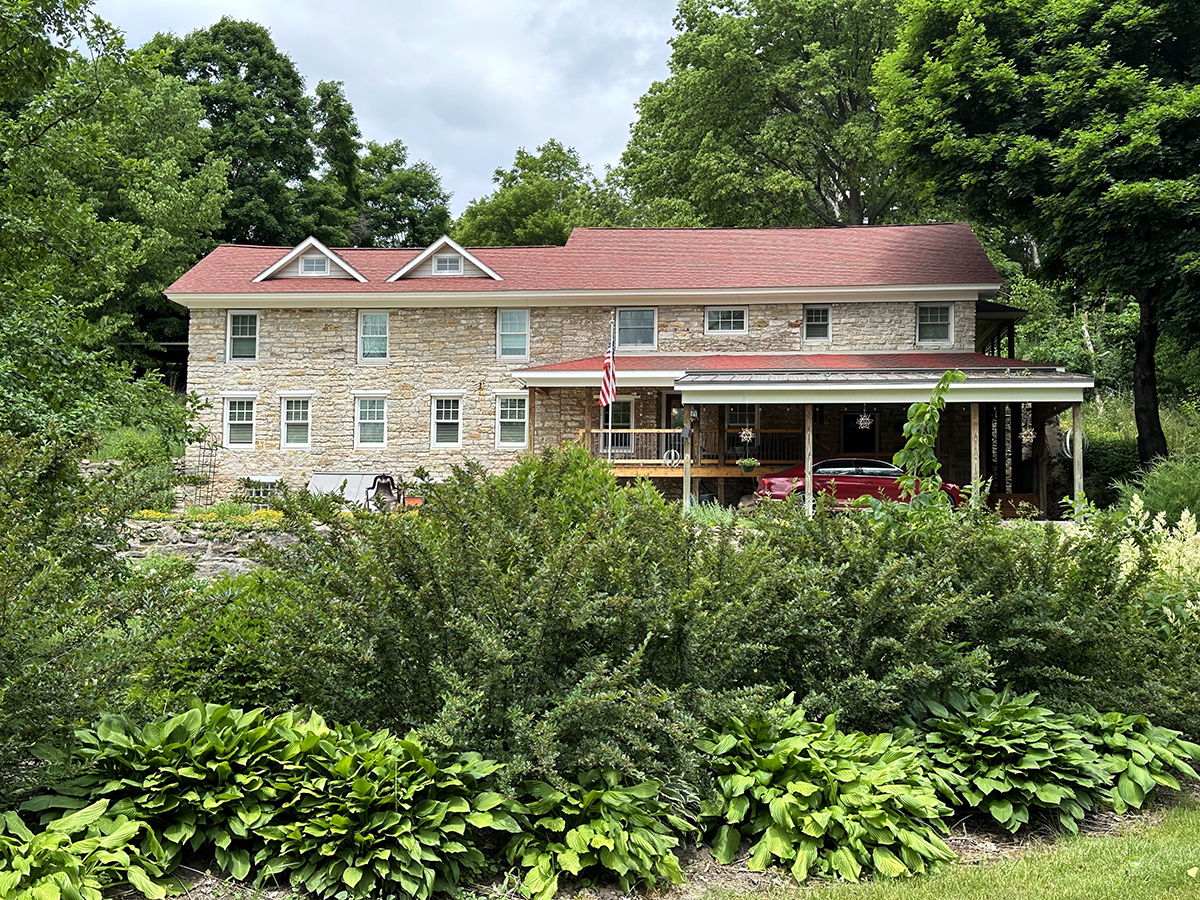
In 1911, August Knapp bought the brewery, renamed the beer Forget-Me-Not, added living quarters, and used the nearby railroad to distribute beer to towns along the line.
During prohibition, the brewery produced soda pop to keep the operation afloat. Of course, soda was not as profitable as beer, so in 1921, Knapp called it quits. The building was eventually converted into a private residence.
Years later, the brewery building was placed on the National Register of Historic Places in 1982. It’s believed to be the oldest industrial structure remaining in Fillmore County.
Today, the building functions as a private residence. It is visible on the western bank of the river along the Root River Trail.