

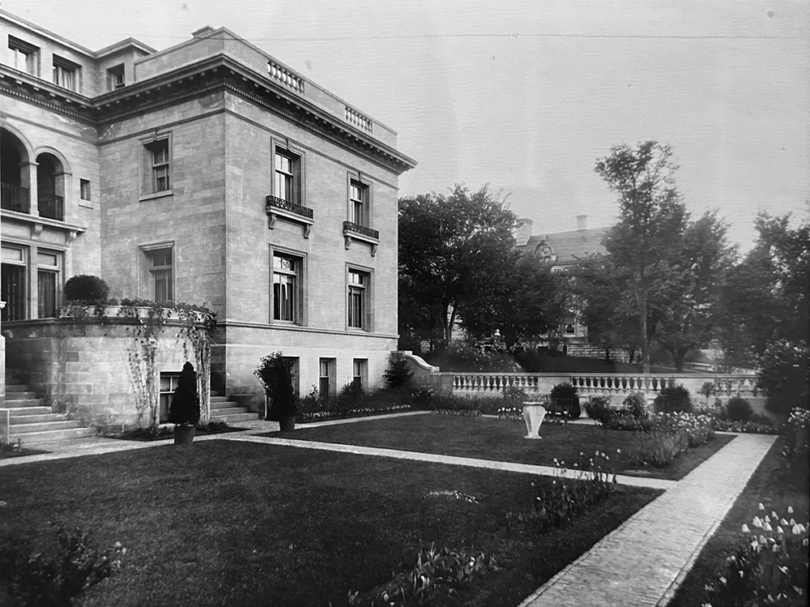
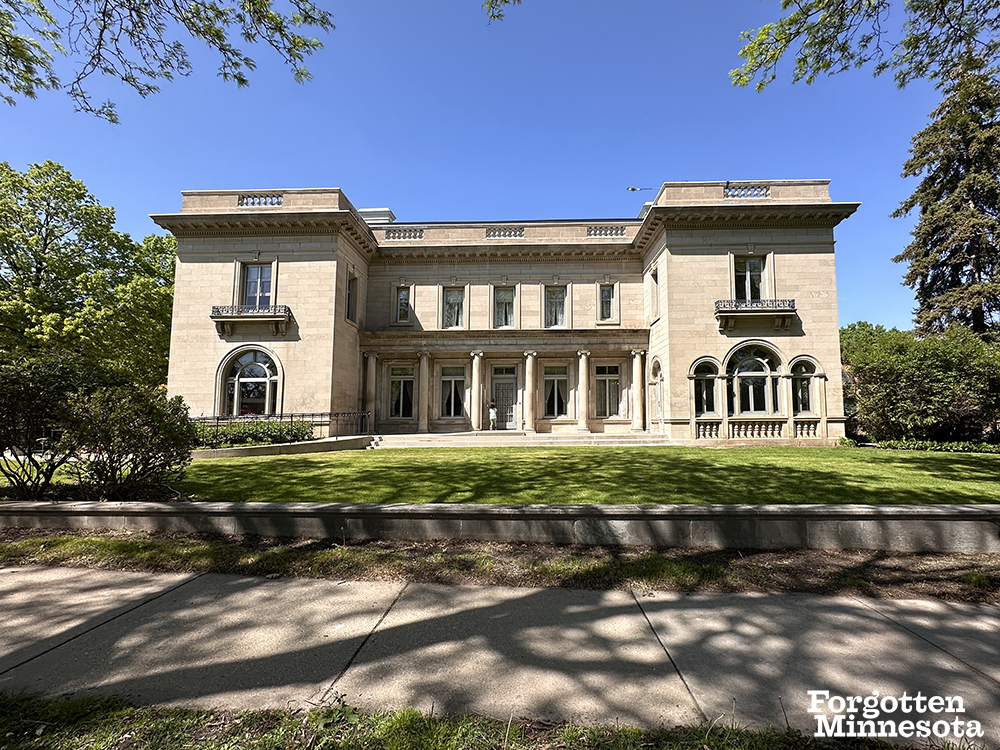
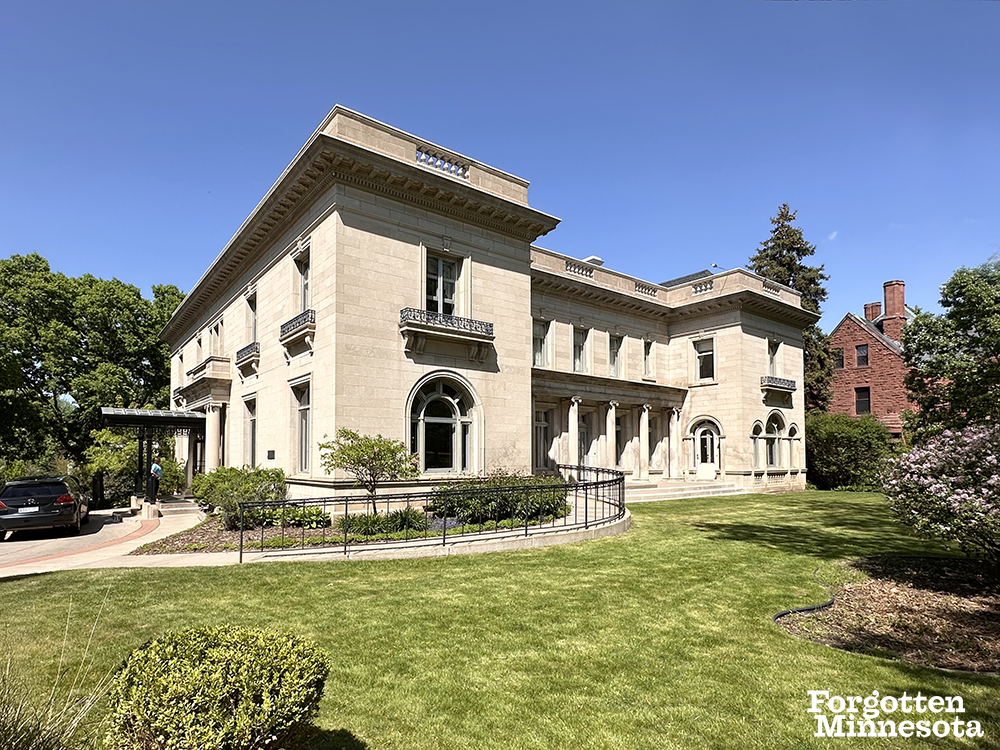
Minneapolis has many beautiful homes, but the Gale mansion is easily one of my top three. I love its grand simplicity with its Beaux-Arts inspired architectural style. The rectangular limestone blocks on the exterior and the arched windows facing 22nd Street add a touch of class to its appearance. Compared with other historic mansions in the area, the Gale mansion’s demure style and compact size set it apart.
Edward Chenery Gale was the son of early Minneapolis pioneer and real estate broker Samuel Chester Gale. He was a prominent attorney who practiced at Snyder, Gale, and Richards. His interest in history and his philanthropic work were well known in the Twin Cities.
When he married Sarah Belle (Sadie) Pillsbury in 1892, he became the son-in-law of the state’s eighth governor and co-founder of the Pillsbury Company, John Sargent Pillsbury. Sadie was a graduate of the University of Minnesota and traveled the world with her family prior to settling down with Edward.
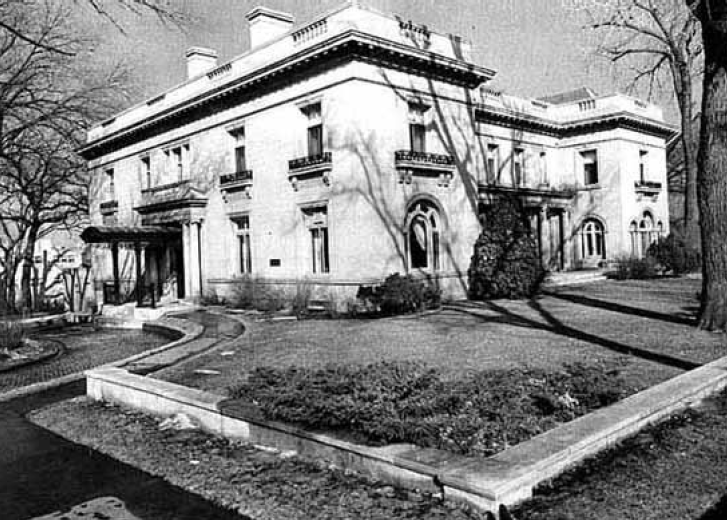
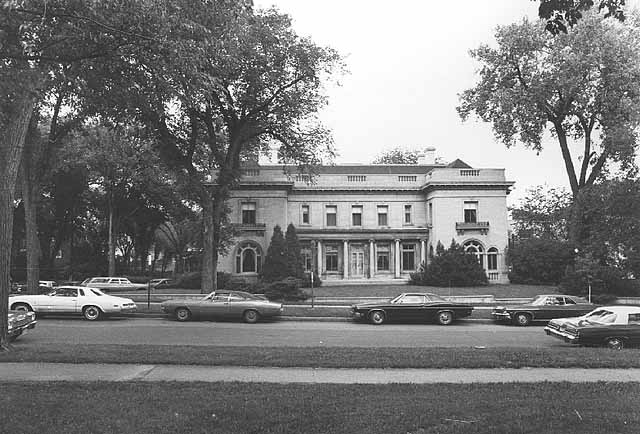
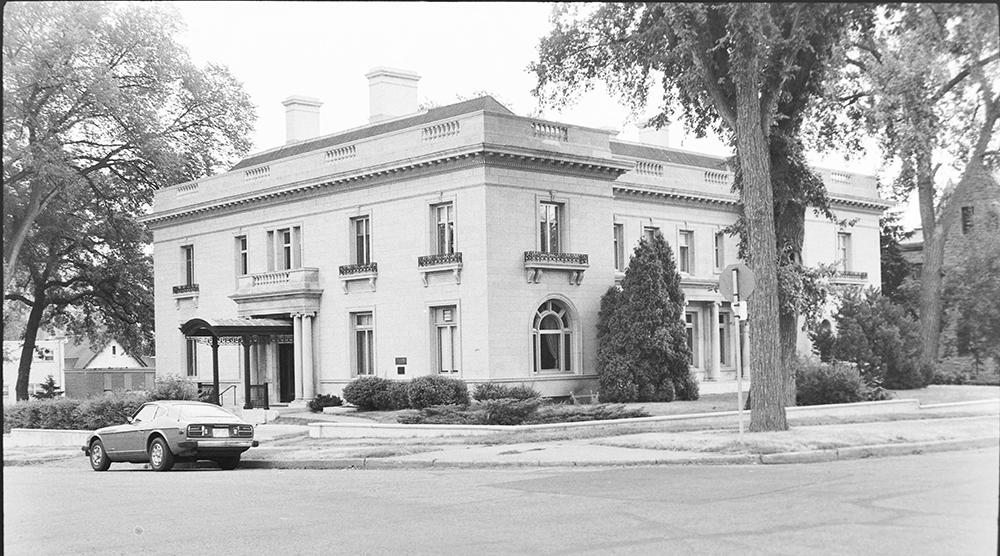
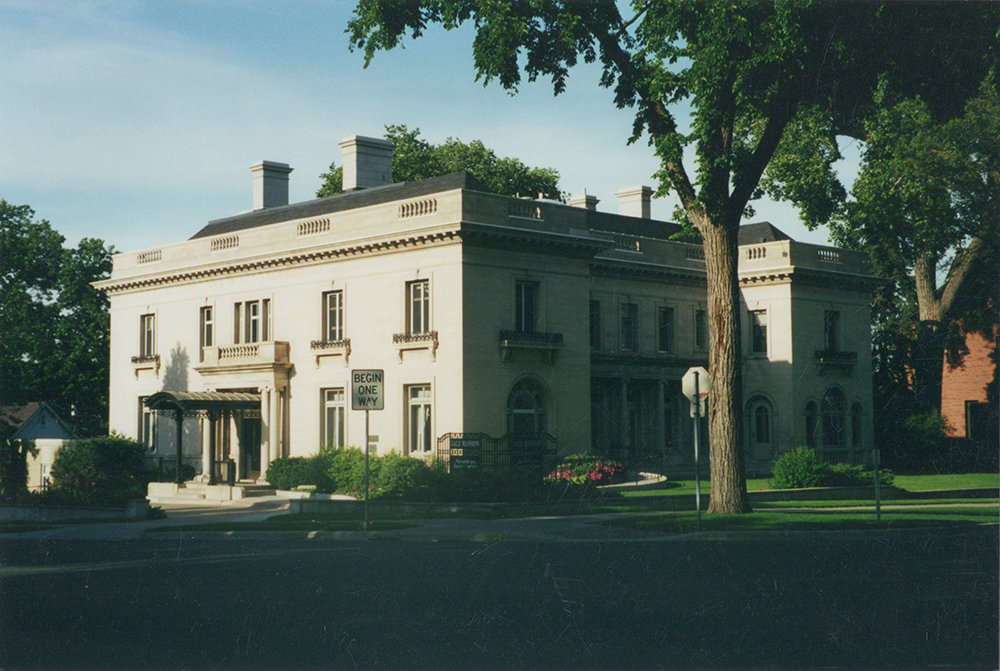
In 1912, Edward and Sadie moved into a mansion for their small family on Stevens and 22nd Street in Minneapolis. Other Pillsburys in the neighborhood included Sadie’s parents, John and Mahala, and her brother, Alfred.
Edward and Sadie were both generous patrons of the arts and were vocal advocates for the development of the Minneapolis Institute of Arts (Mia)–located just a couple of blocks from their new home. Some of the art from their collection would end up at Mia and their financial contributions helped build the permanent collection of the museum. Edward also sat on the library board for more than 15 years while Sadie was active in civic, philanthropic, and social circles.
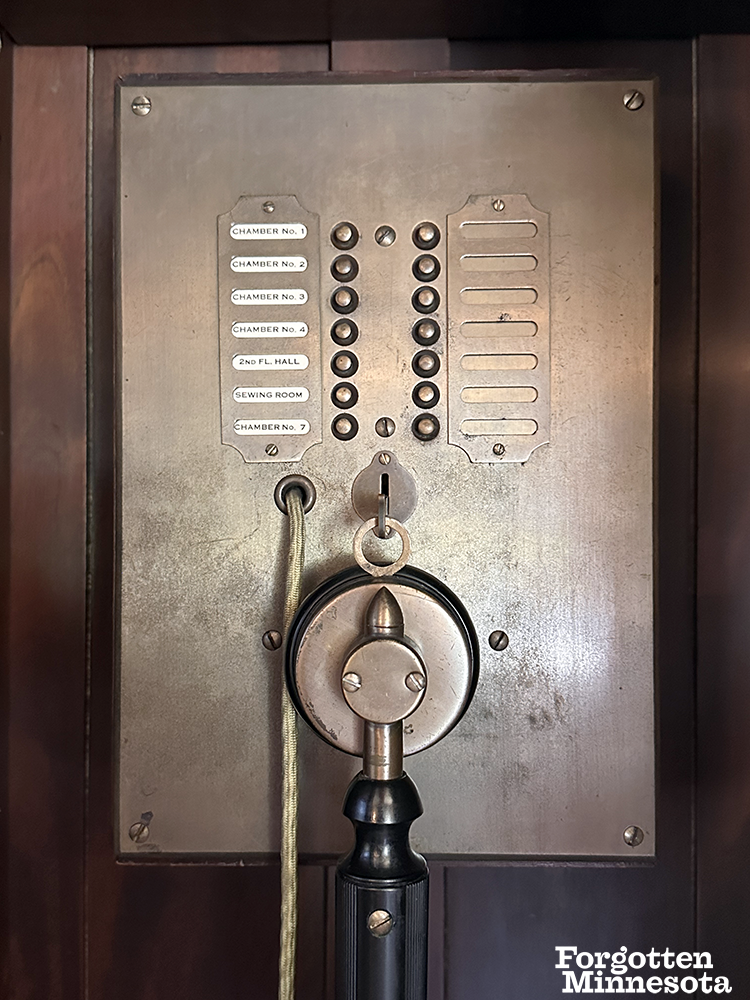
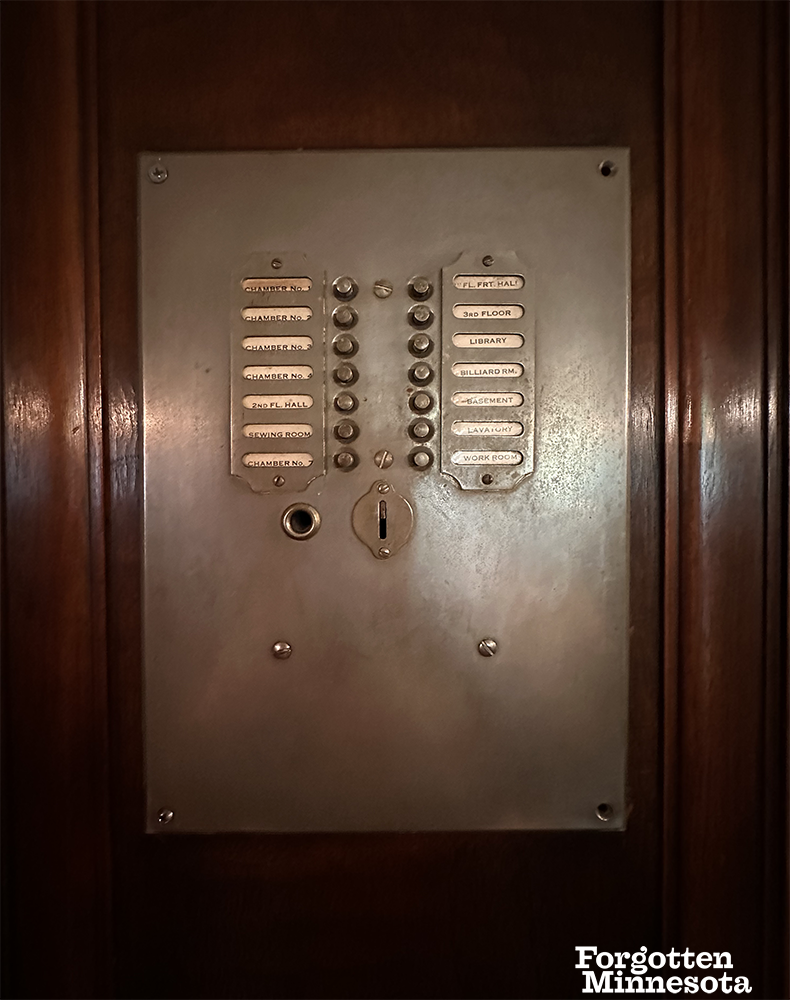
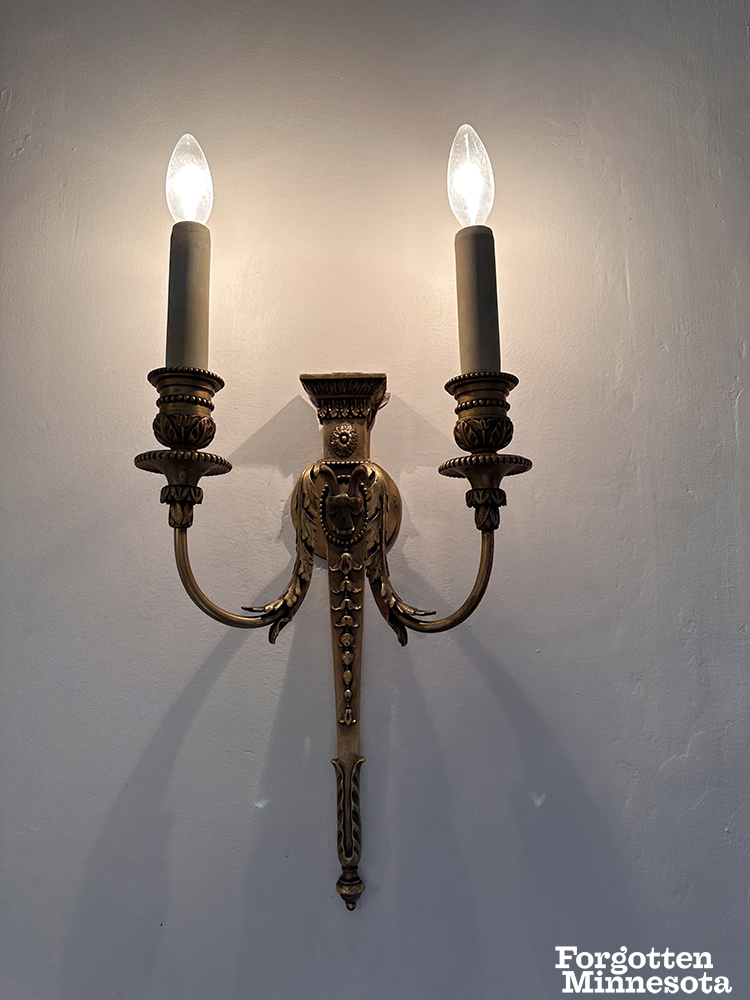
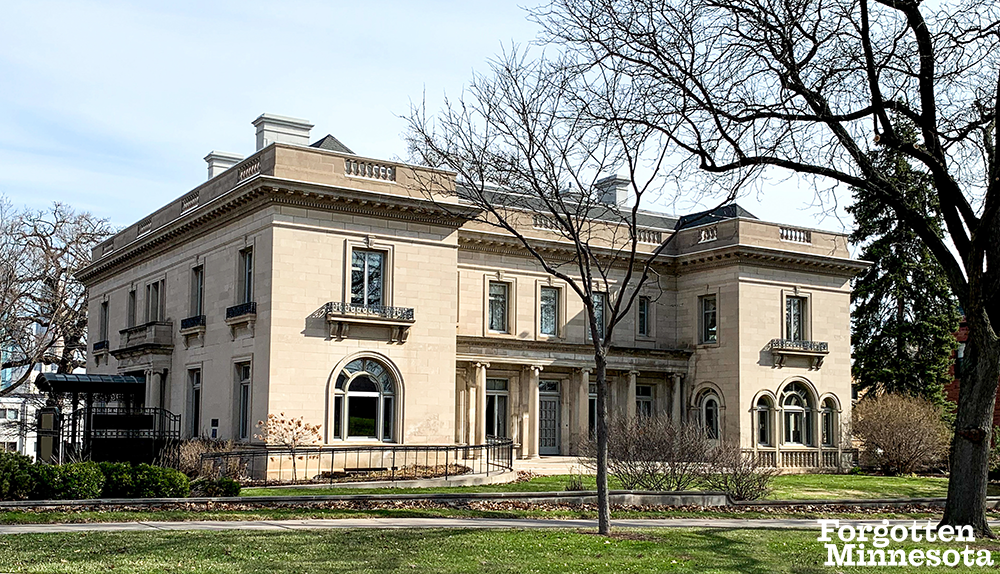
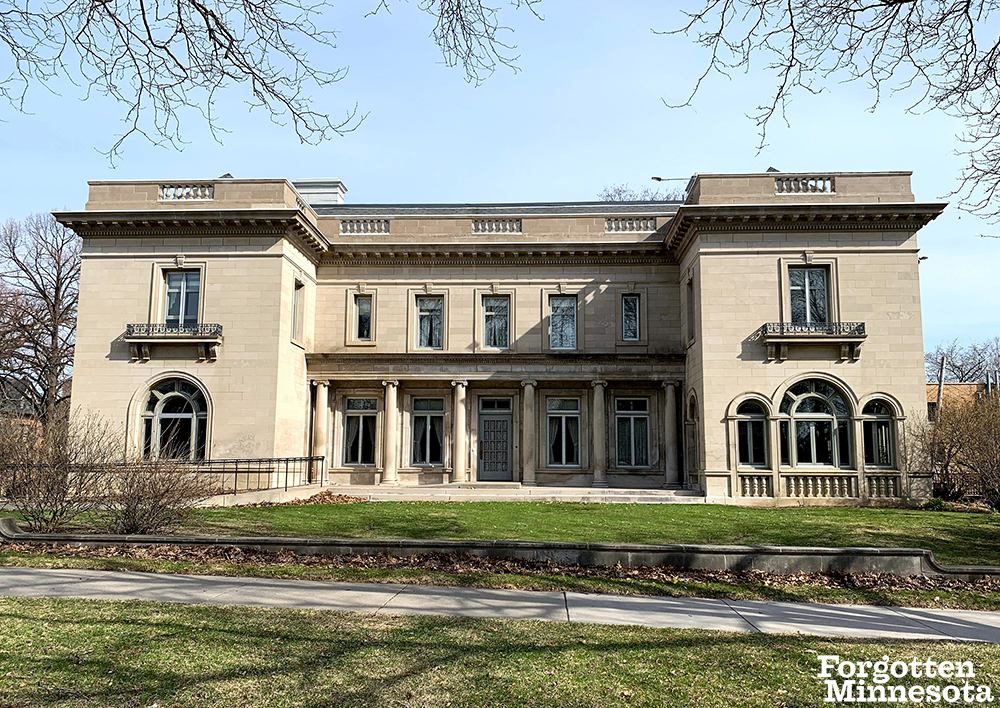
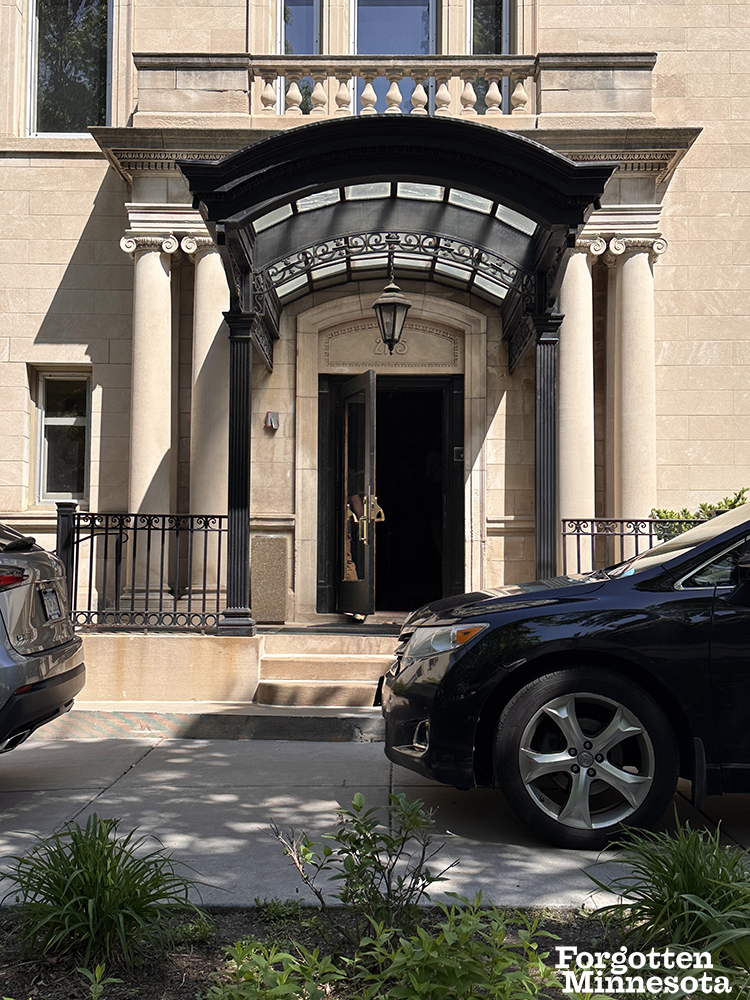
The Gale mansion was designed by Ernest C. Kennedy, who also designed the home of Alfred. The exterior is covered in rectangular Bedford stone blocks and an elegant main entrance faces Stevens Avenue. The entrance has a columned portico with a balustraded balcony while the side of the house facing 22nd Street has a set of full-story arched windows at each end. Ornamental stone brackets support small balconies above.
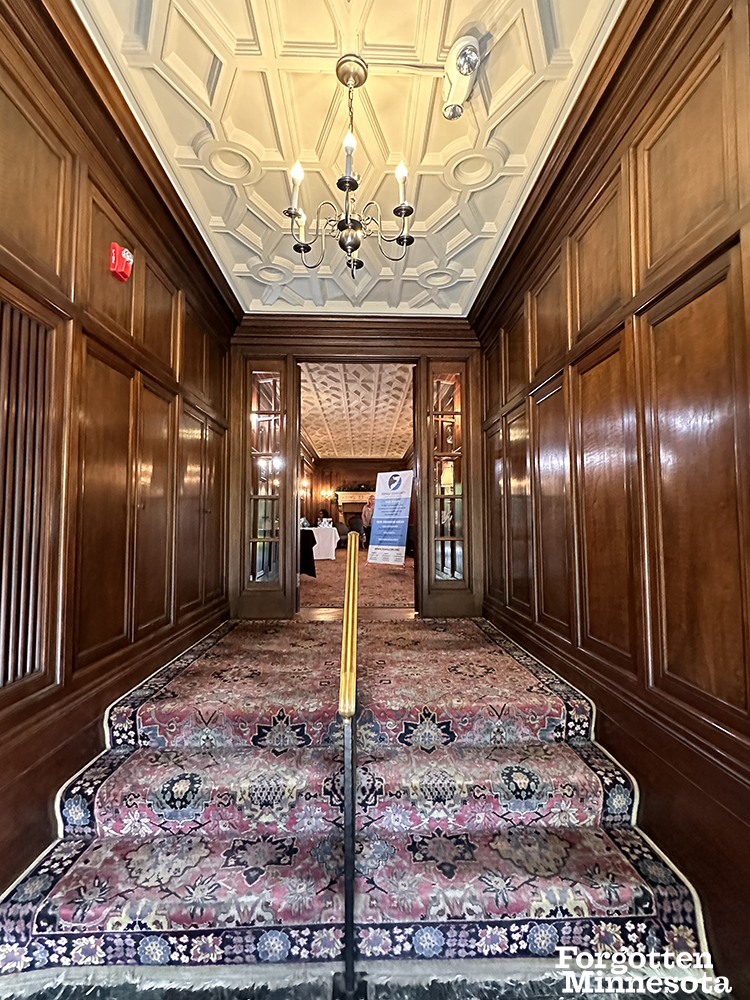
The interior of the mansion reflects a marginal shift away from the traditional dark, heavy interiors of just a decade before, while keeping the craftsmanship of the interior woodwork and built-in elements, and using large windows to bring abundant light into the space. The subtle use of traditional and contemporary design features inside the home creates a cohesive beauty that mirrors its dignified exterior.
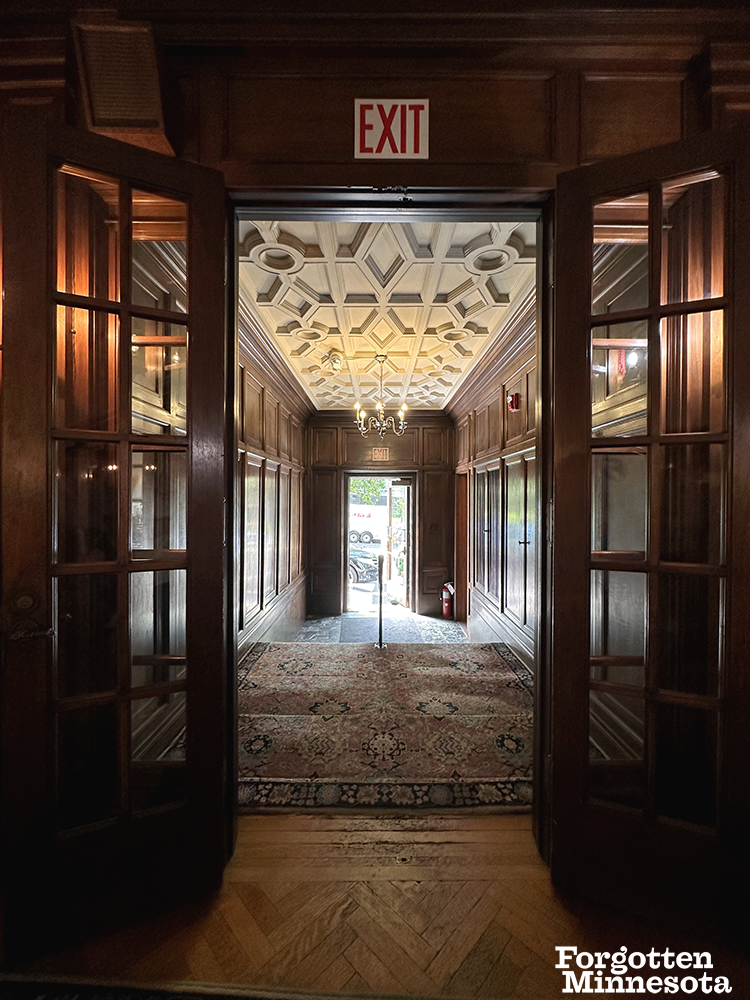
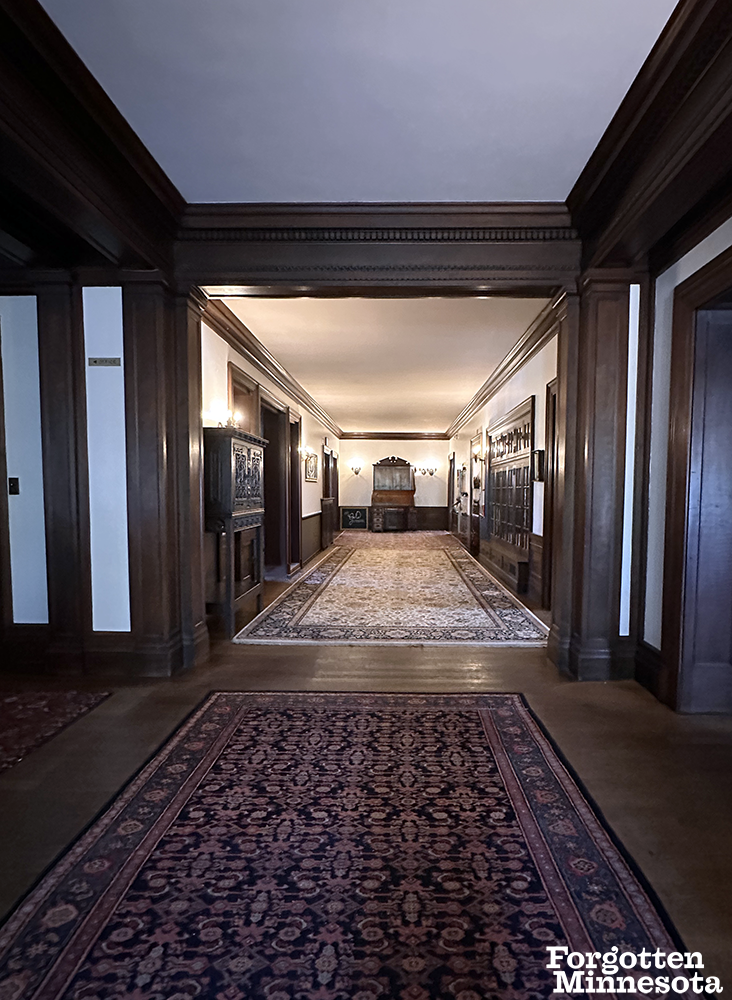
As visitors arrived at the home, the grandeur was unmistakable. Guests stepped up into an entrance hall with wood paneling, oak parquet floors, and an ornate ceiling. There was even a pipe organ in the alcove above the entrance hall.
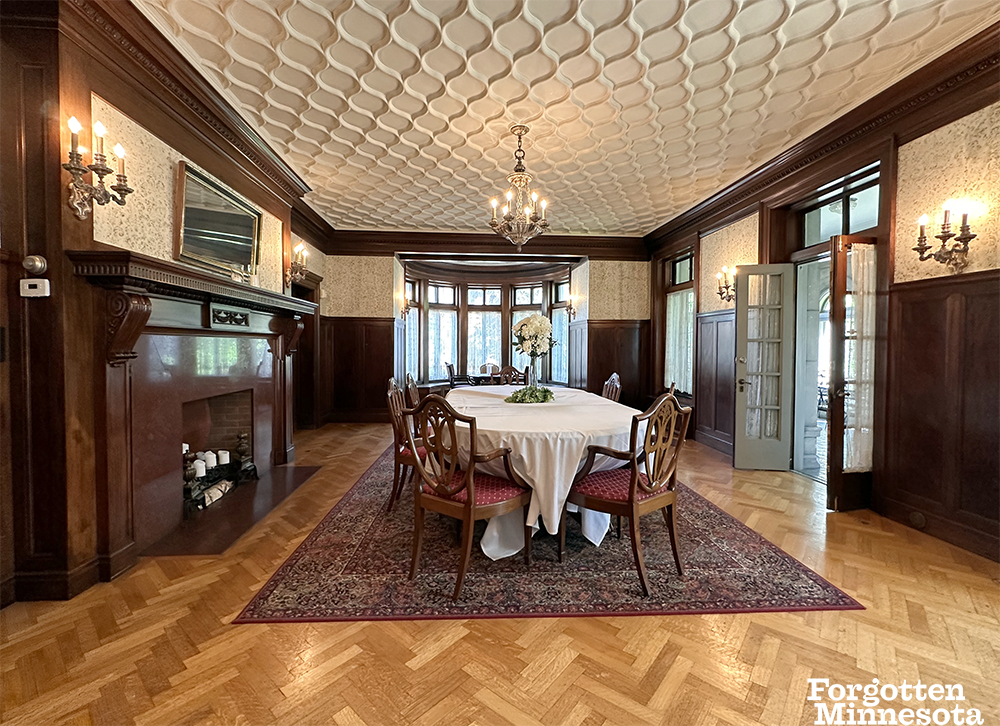
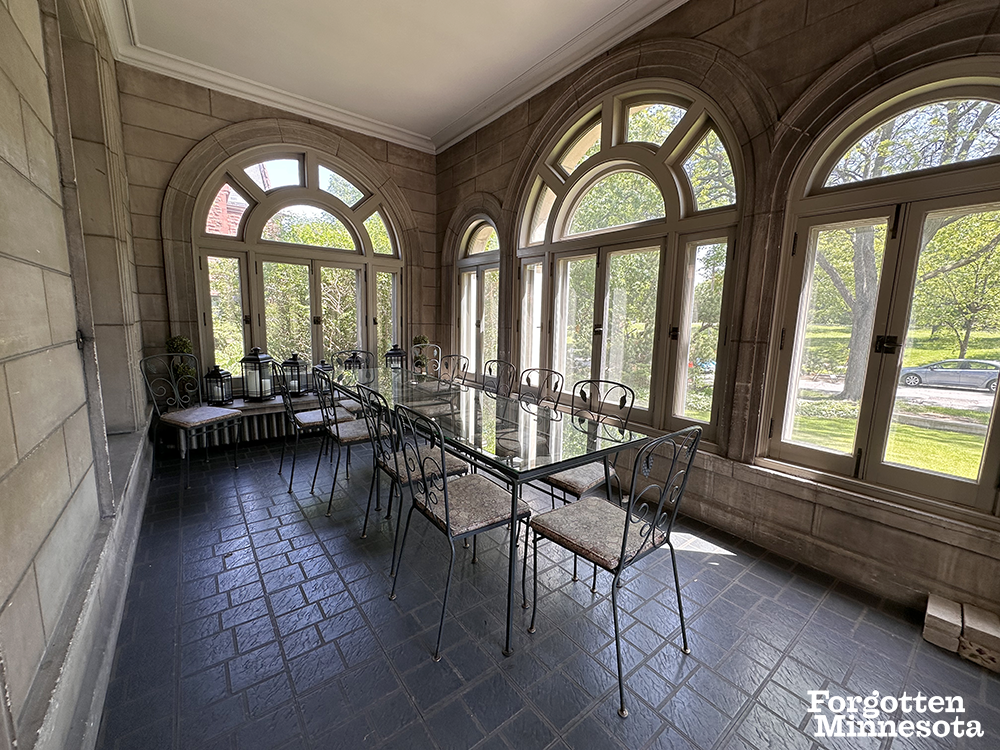
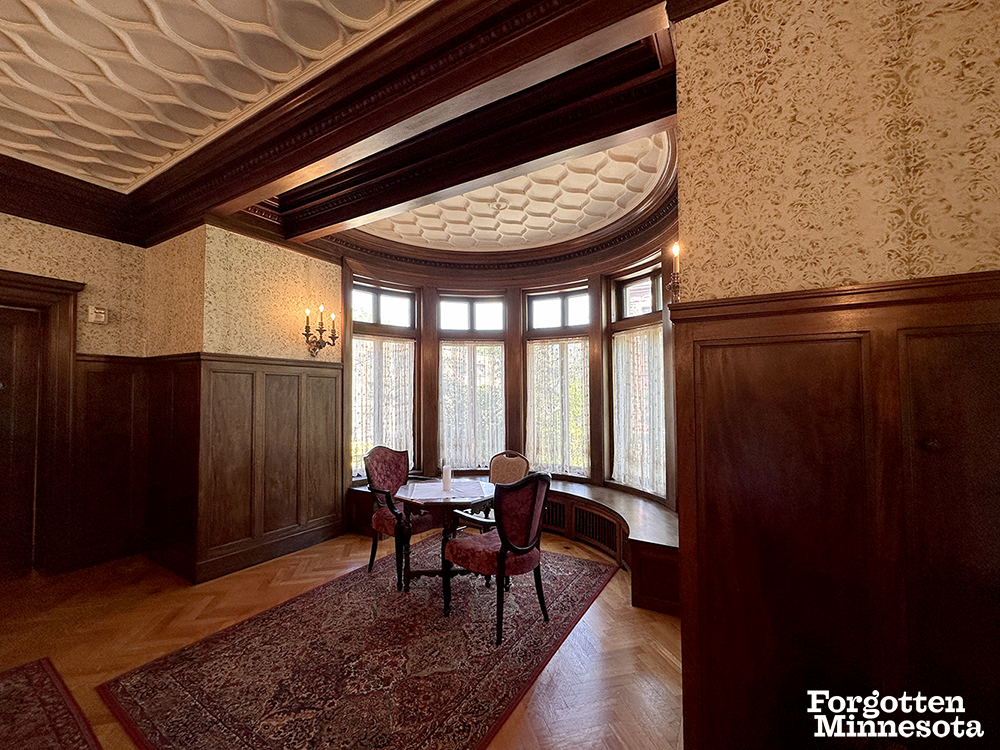
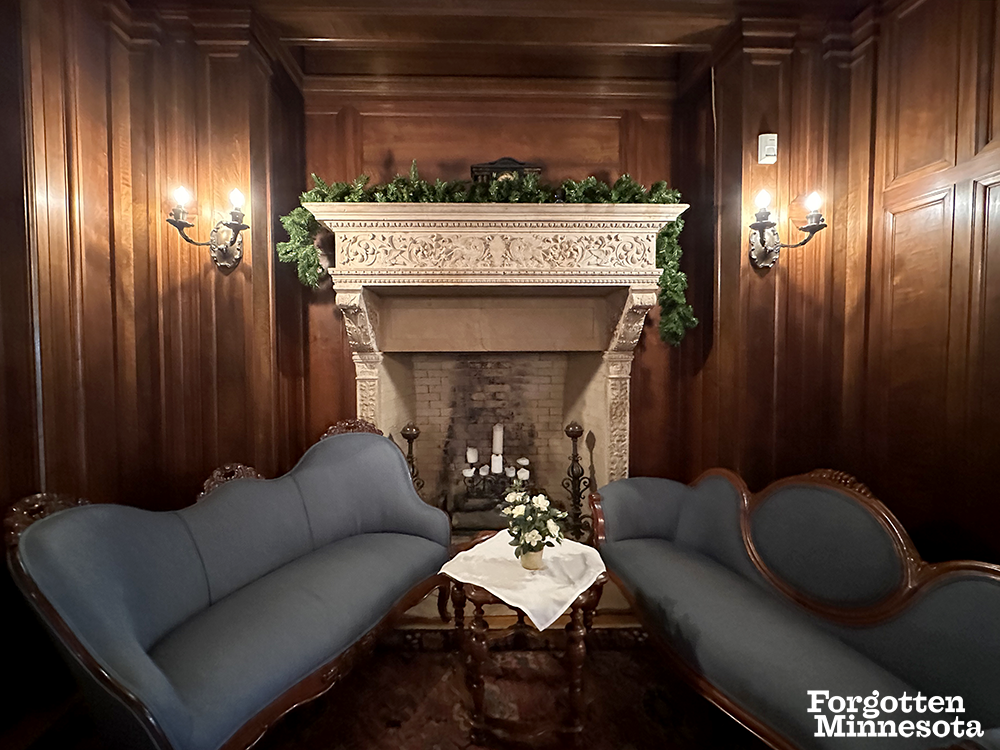
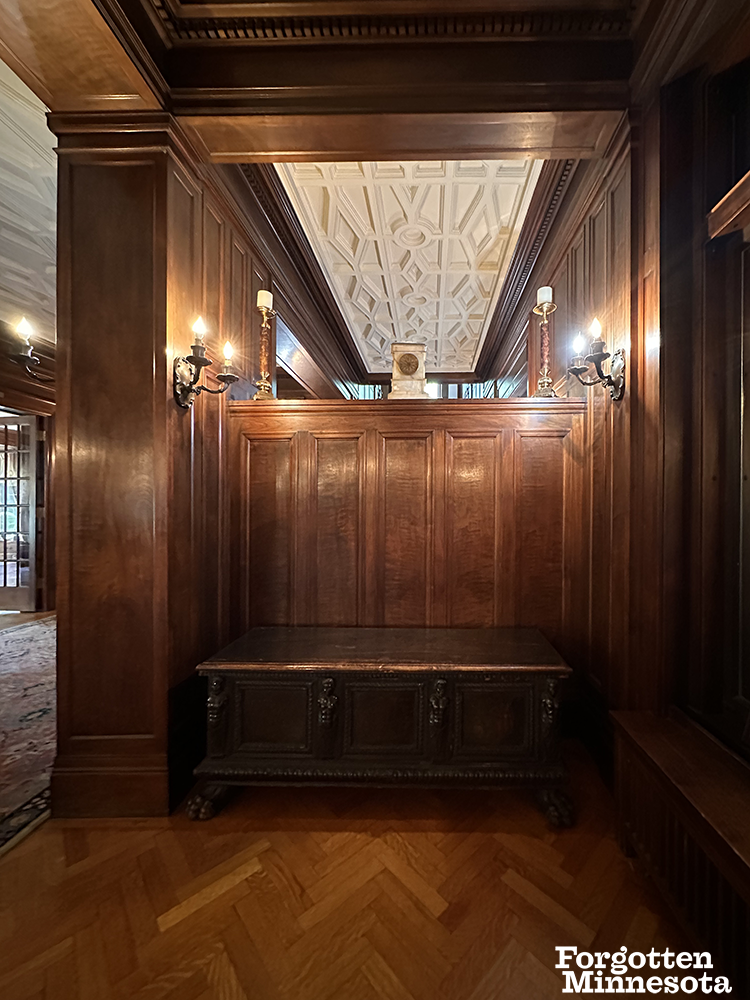
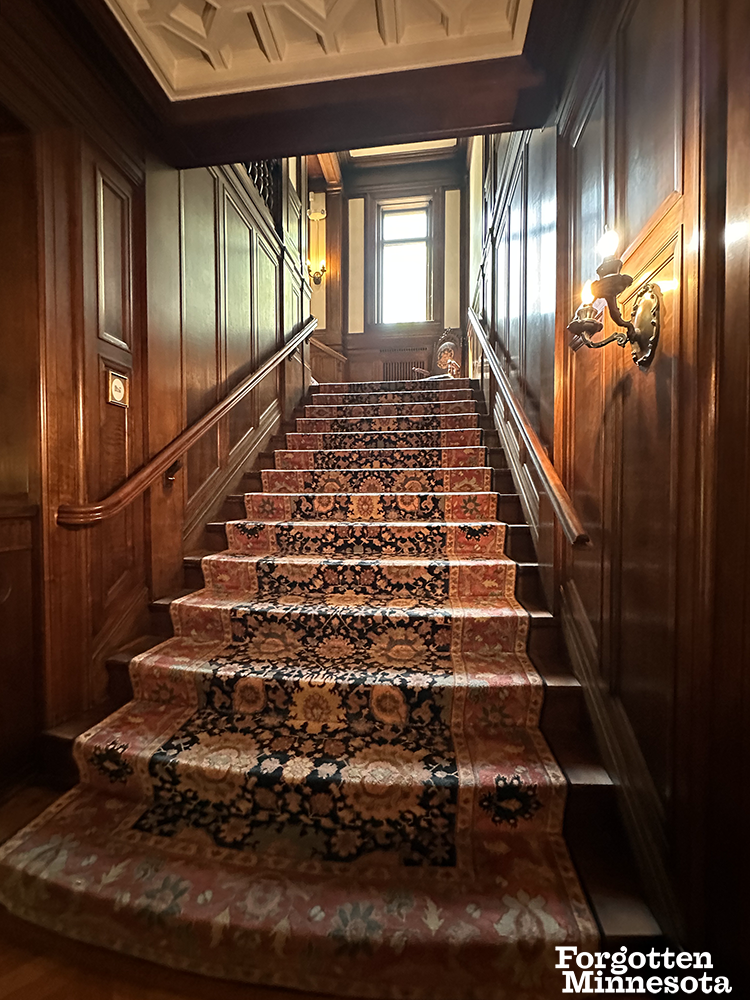
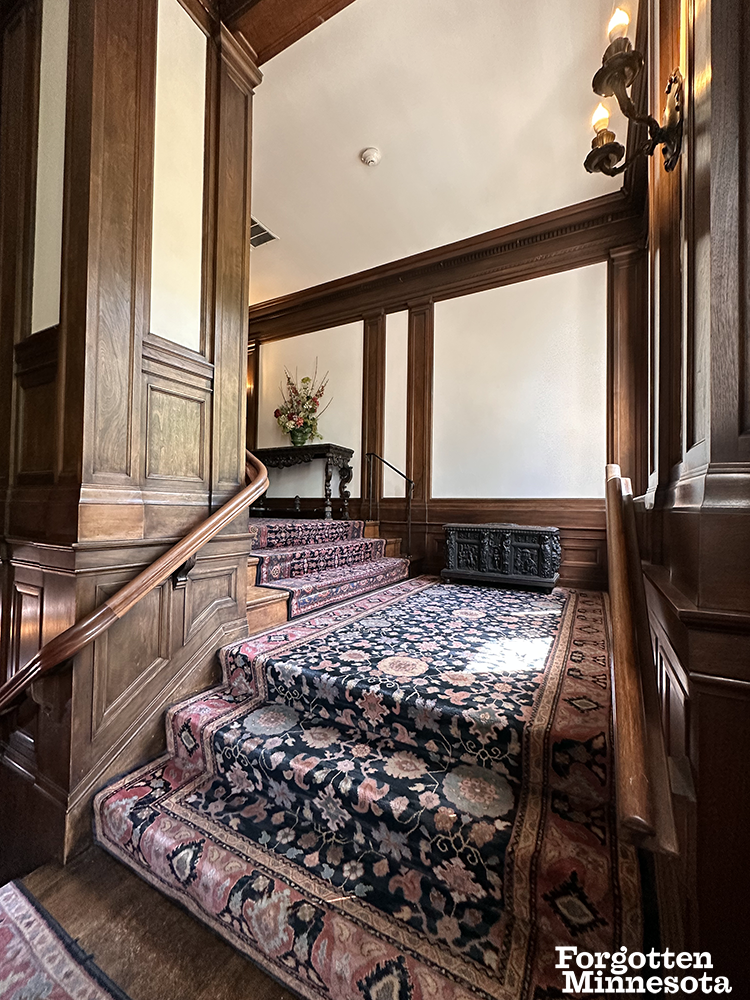
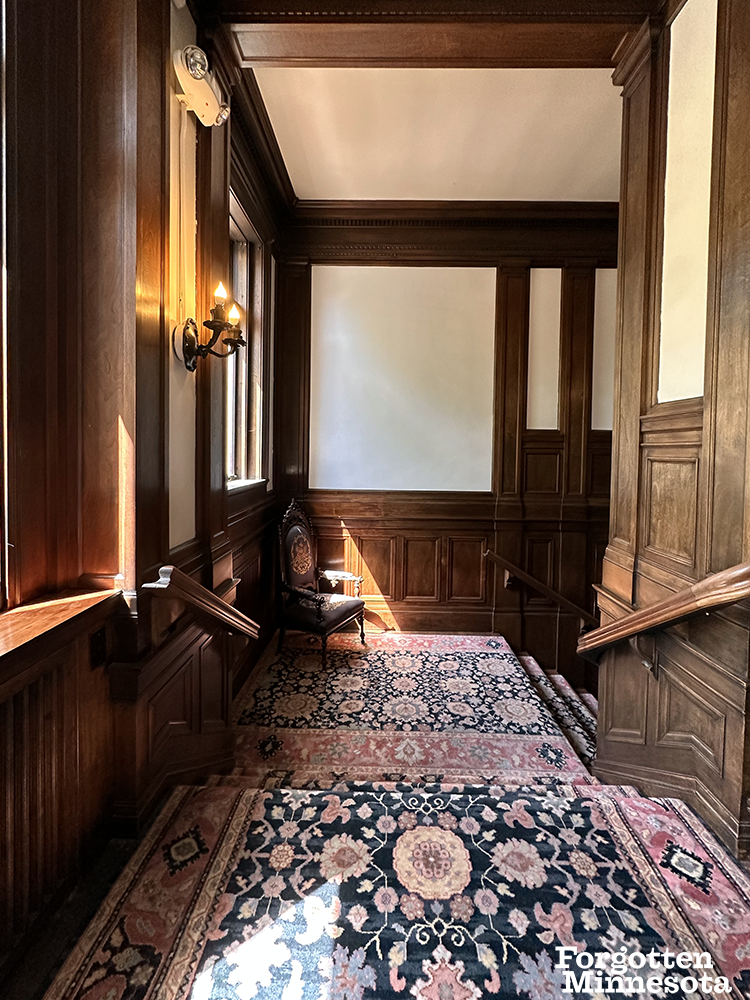
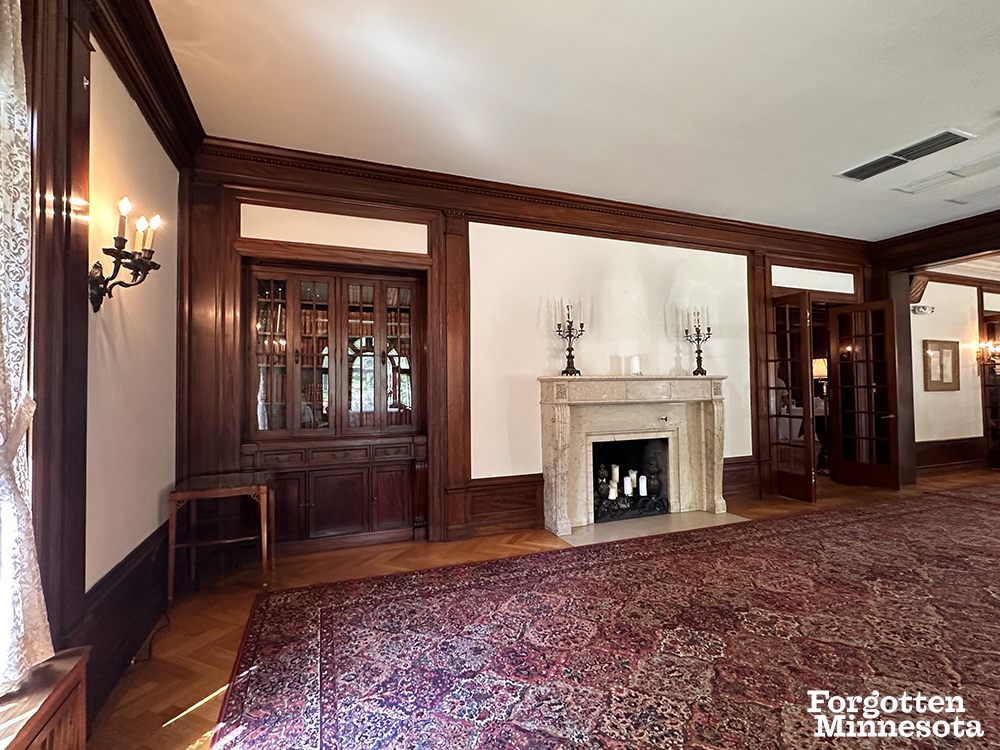
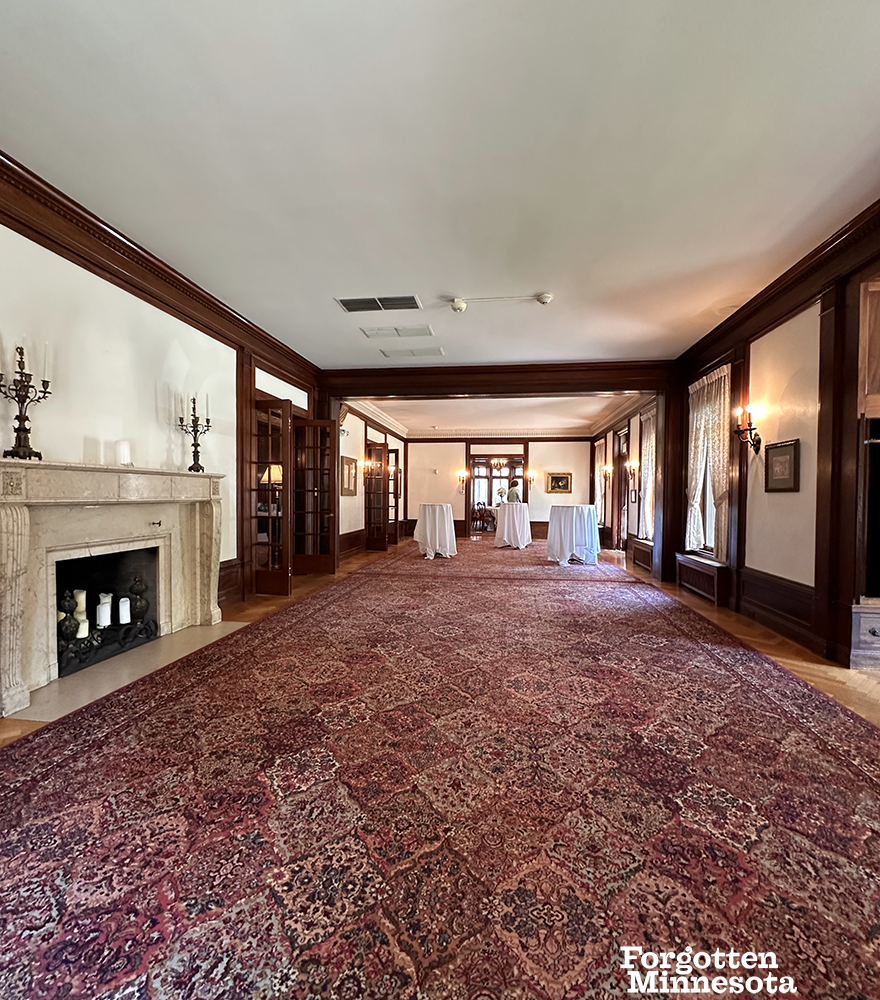
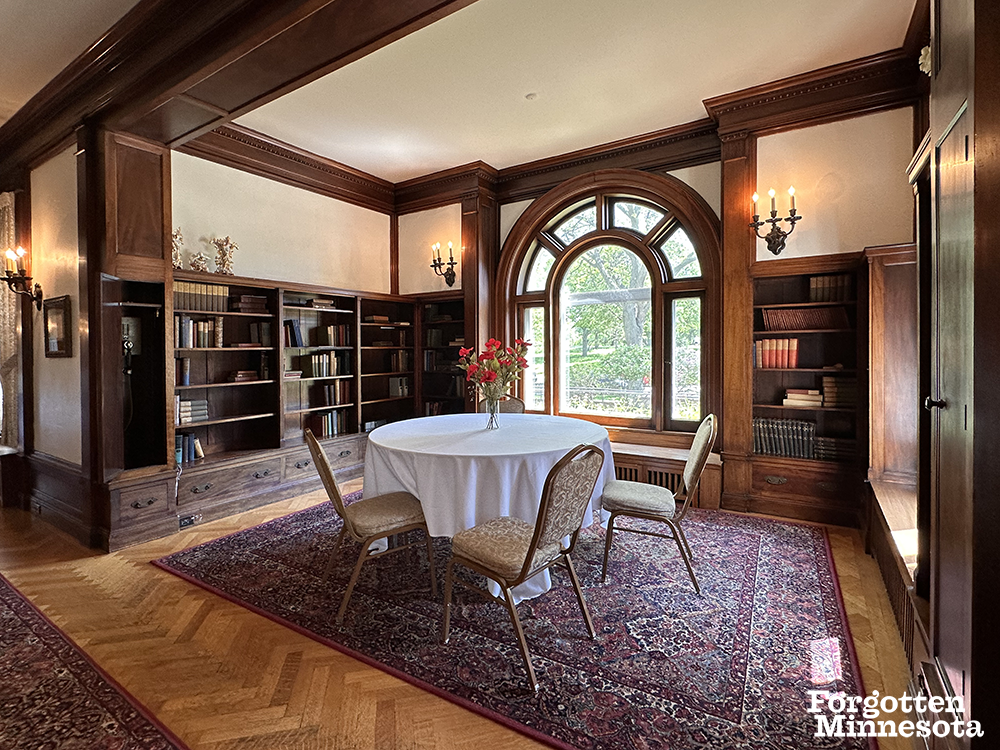
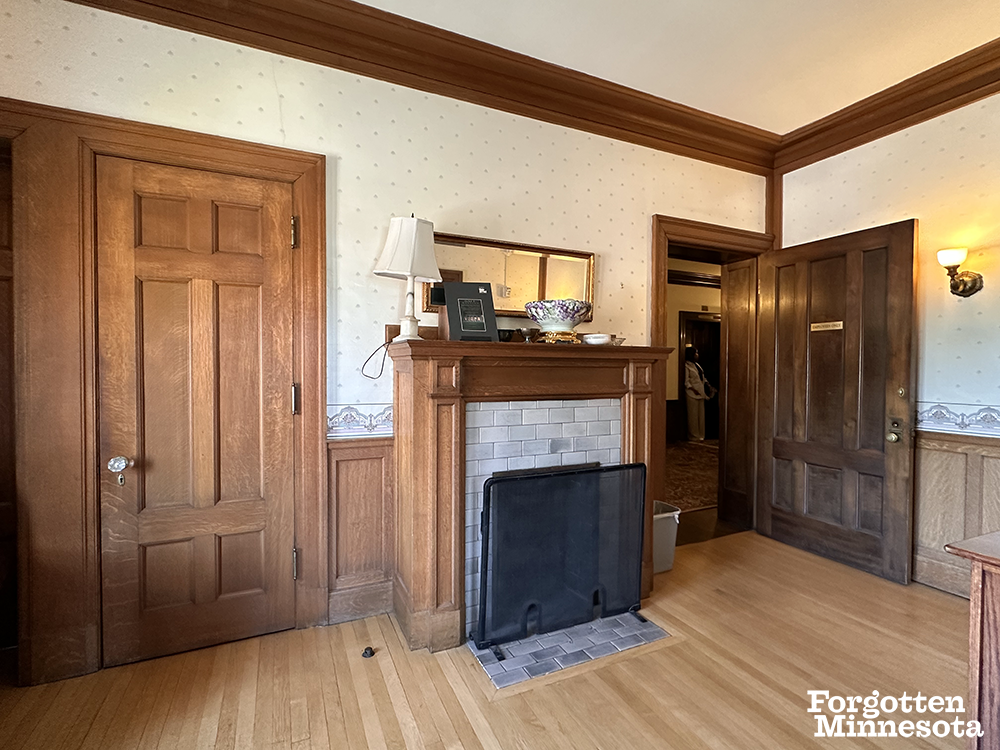
The first floor holds all of the formal rooms that would have been expected of a family as prominent as the Gales. The intricate work of the craftsmen who built the home is evident throughout, but this level is especially grand with a large dining room, small library, seating rooms, kitchen, and a sun room with arched windows and access to the side garden. Most rooms have marble fireplaces to keep everyone toasty in the winter.
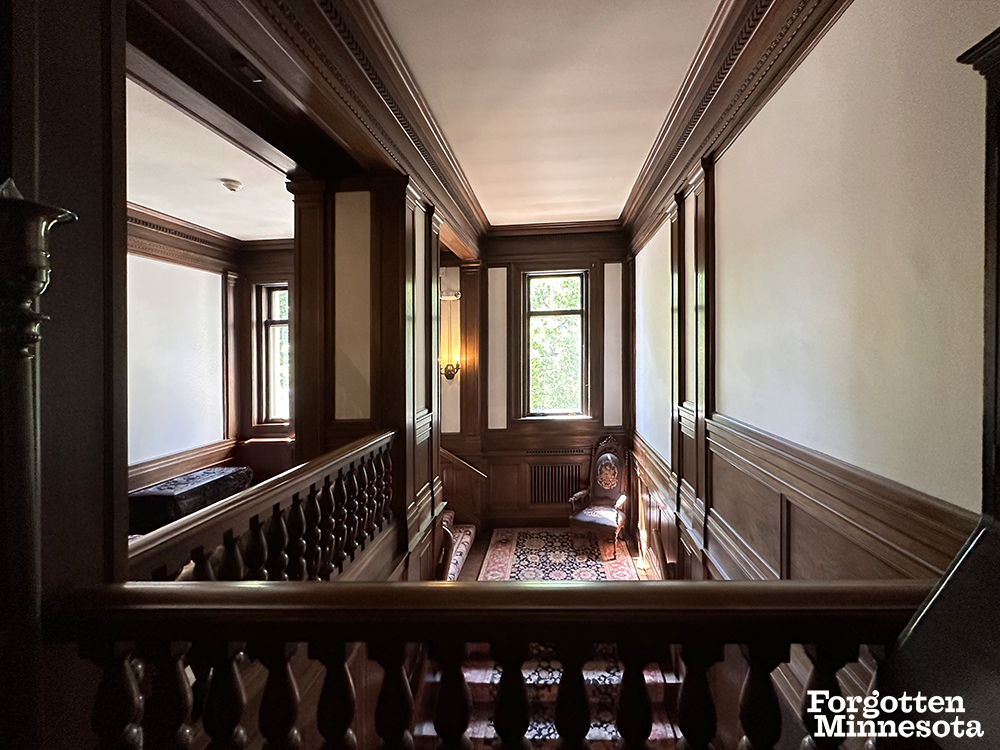
A massive black walnut staircase carried the family up to a more private space where their bedrooms were located. The wide main hallway left plenty of room for treasured furniture to display heirlooms and art pieces gathered during their travels. A large built-in bookcase can be found near the top of the staircase.
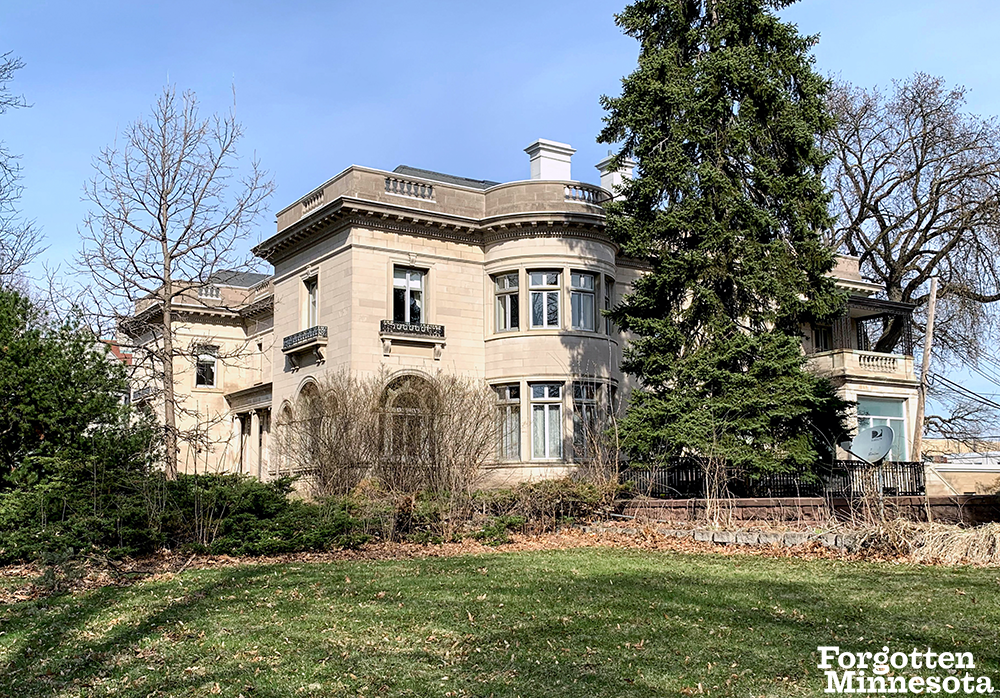
The large primary bedroom was located at the front of the home. A bay of windows on the east side of the house carried the morning light into the sitting area inside the bedroom. Each of the bedrooms had a fireplace and access to a private bathroom. A sewing slash sitting room is also located on this level.
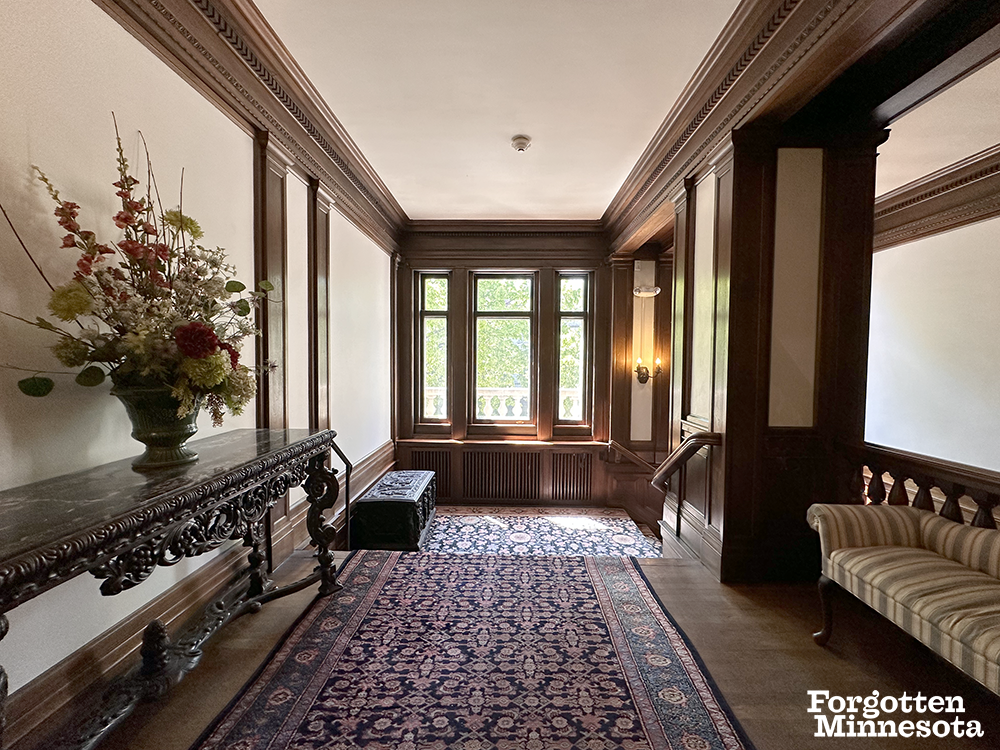
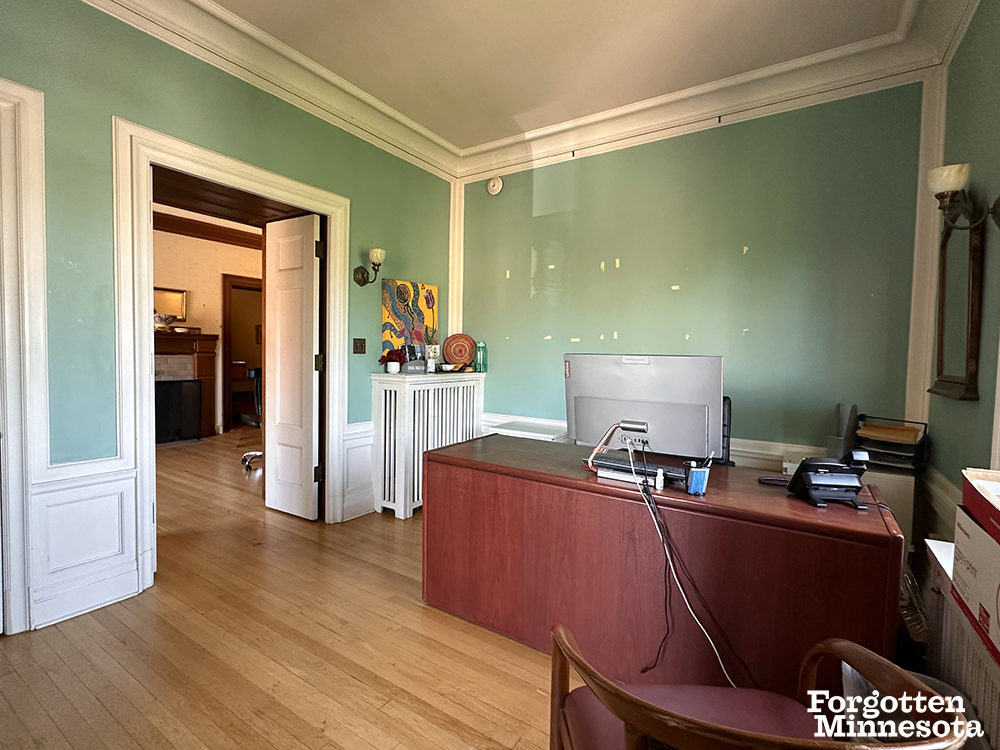
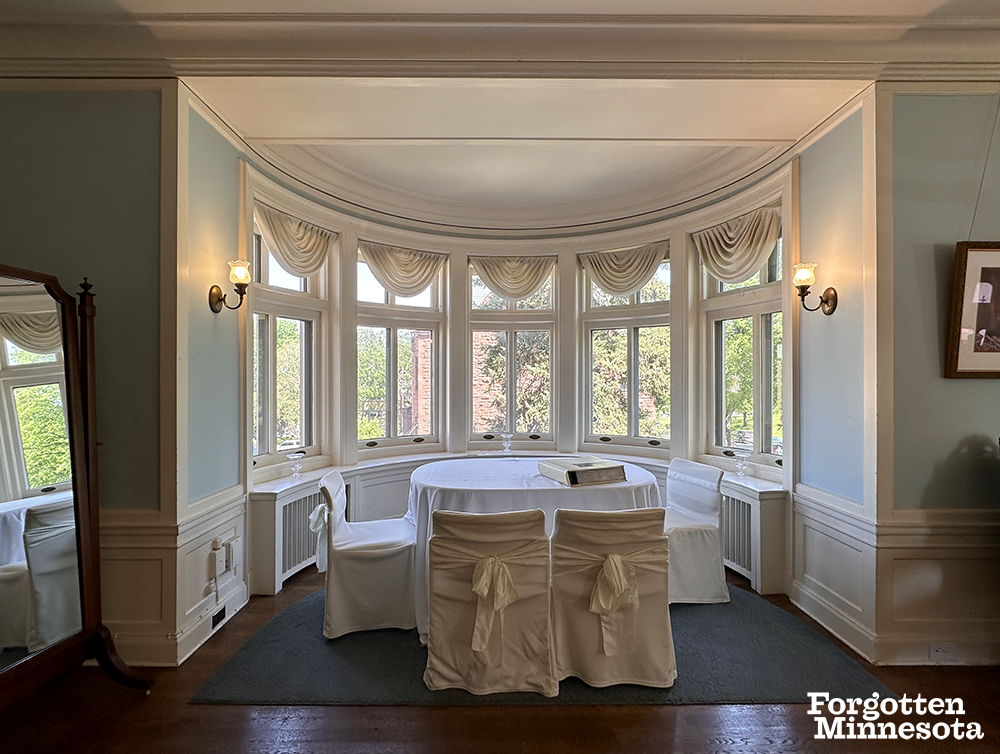
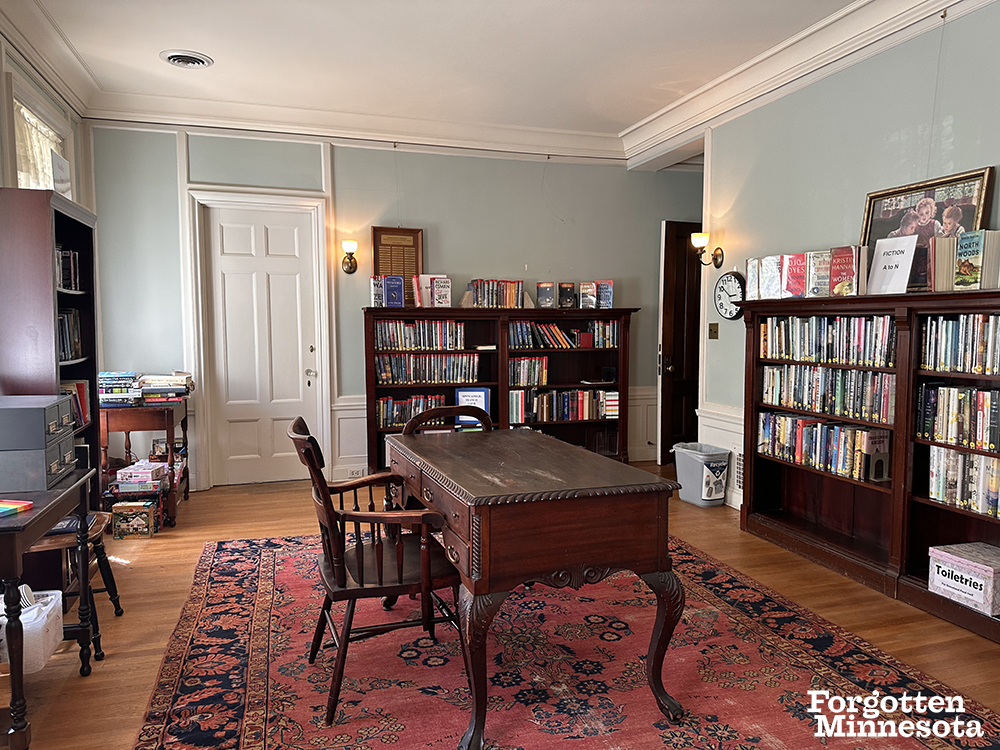
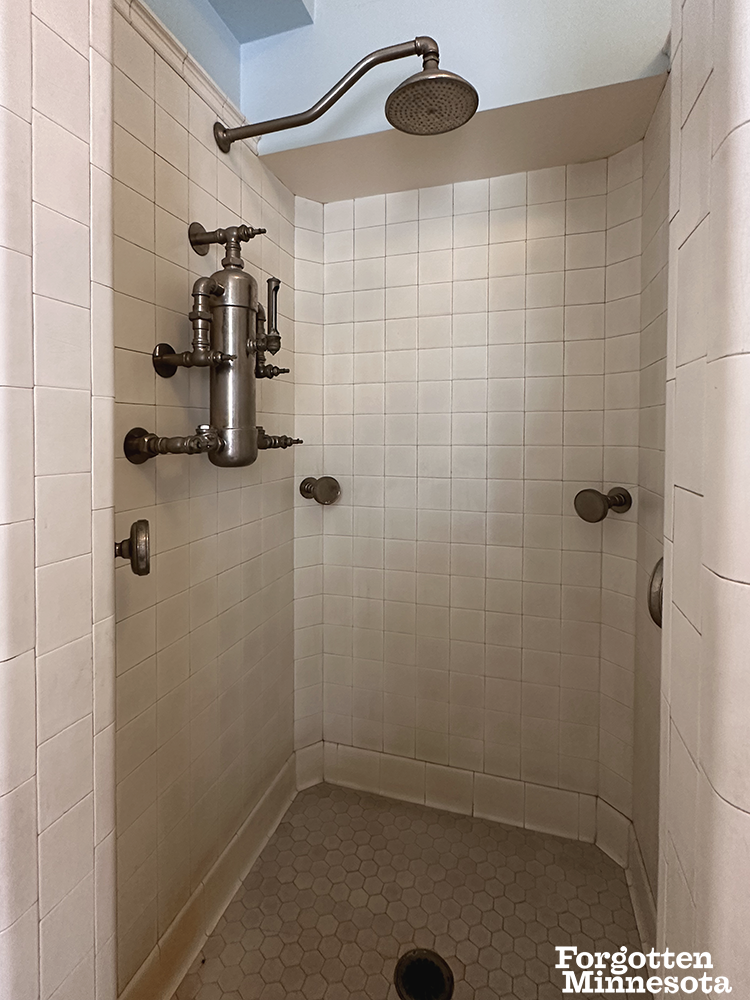
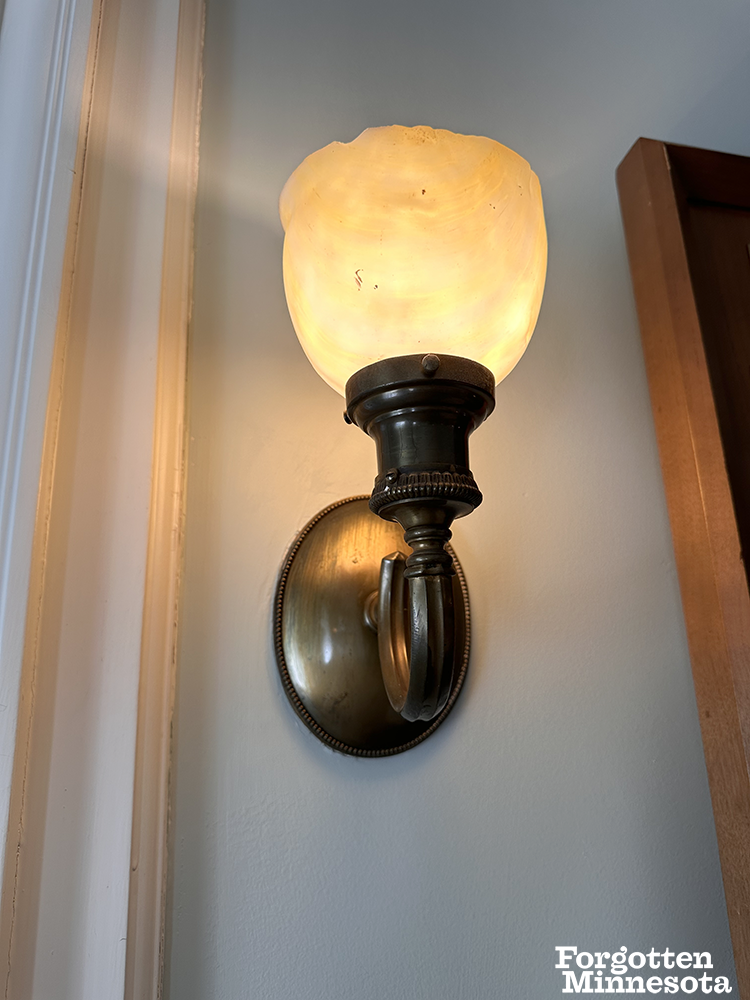
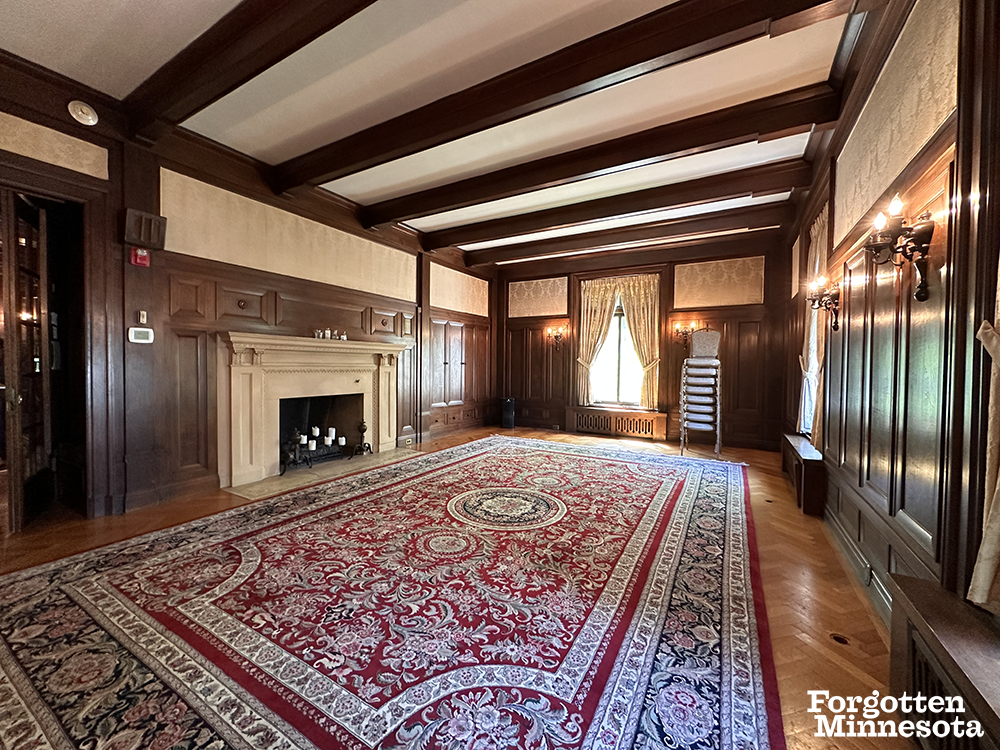
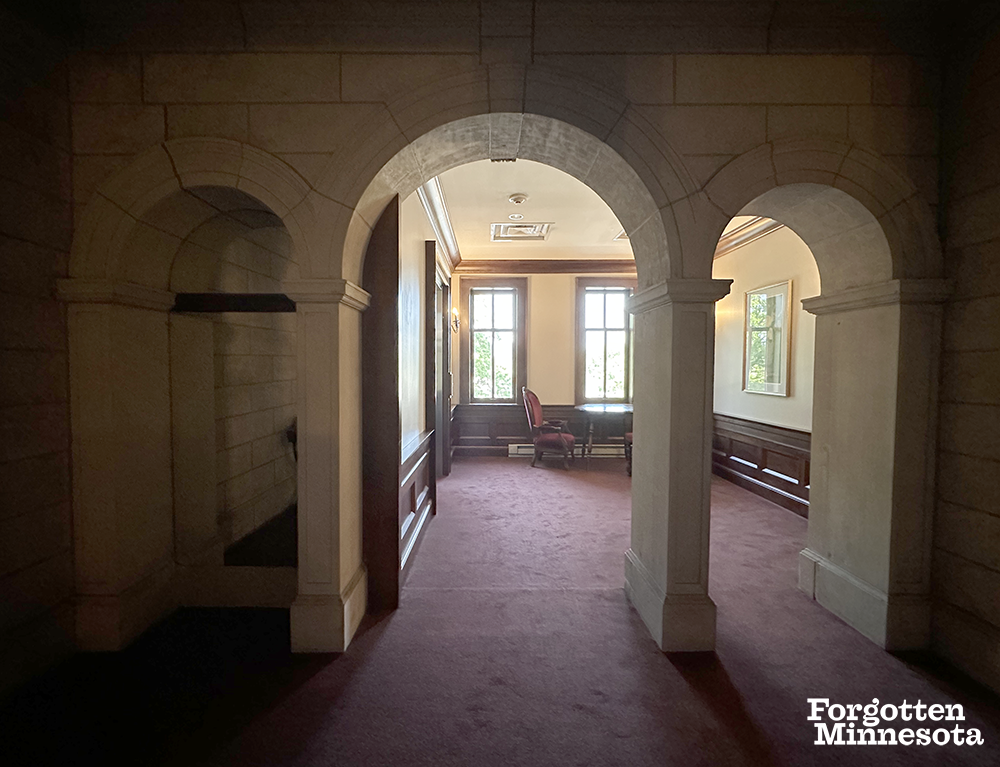
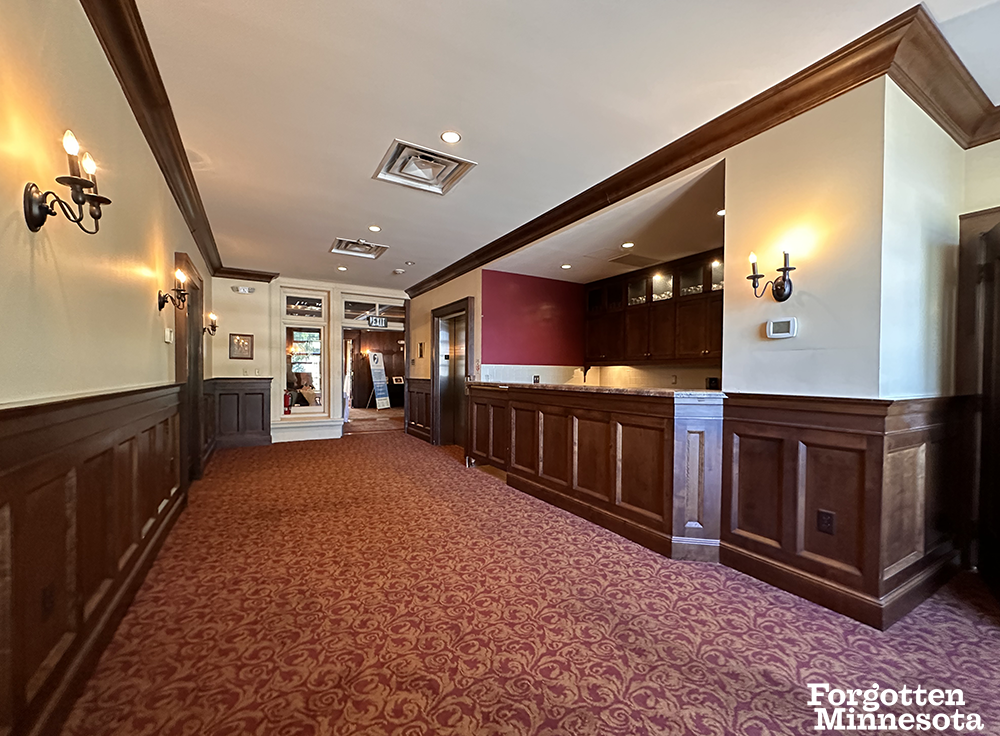
The basement of the home was likely used mostly by staff. It’s unclear how the family used the third level.
A very unsympathetic addition was built on the north side in 1962 that dramatically altered the look of the house and demolished the lovely gardens that Sadie lovingly tended. The space was added to accommodate large gatherings in a ballroom setting with several windows on each side of the room and a stage at one end.
The house remained in the family until the deaths of Edward in 1943 and Sadie in 1944. Their son, Richard, sold it to the American Association of University Women for $50,000. It became a wedding and events venue run by the organization. They helped get the Gale mansion placed on the National Register of Historic Places in 1977 as part of the Washburn-Fair Oaks Historic District.
In 2022, the building was purchased by the Somali Community Resettlement Services (SCRS) for a reported purchase price of $2.6 million. They are just the third owners of this historic property in over a century.
Additional reading:
Harmony in motion: Celebrating Mia’s Shiva Nataraja sculpture with dance
Washburn-Fair Oaks Historic District
References:
Gale and Related Families Papers. Minnesota Historical Society.
Archives of the Minneapolis Journal, Minneapolis Star Tribune, and Minneapolis Daily Times.
National Register of Historic Places Inventory Nomination Form: Washburn-Fair Oaks District. September 1977.